On behalf of the Organising Committee, I am pleased to welcome you to the 23rd Malaysian Society of Haematology Annual Scientific Meeting, to be held in Johor Bahru. It is a privilege to host this long-standing national meeting in a city that reflects progress, connectivity, and opportunity—qualities that align closely with the evolving landscape of haematology.
Over more than two decades, the MSH ASM has served as the principal platform for haematology professionals in Malaysia to exchange knowledge, share best practices, and advance patient care. As we convene for our 23rd meeting, we do so in a period of rapid scientific advancement, alongside growing recognition of the need to ensure equitable access to innovation.
The theme for MSH ASM 2026, “Bridging Equity and Innovation in Haematology,” underscores our commitment to pairing scientific excellence with real-world relevance. The meeting will highlight advances in diagnostics and therapeutics while addressing implementation challenges, health system considerations, and patient-centred care—bridging innovation with impact.
This meeting is designed to deliver meaningful value for all participants, through a clinically relevant, high-quality scientific programme and rich opportunities for learning, dialogue, and collaboration. It provides a platform for clinicians, researchers, educators, and partners across the haematology community to connect, exchange perspectives, and strengthen collective efforts to advance care. The continued success of the MSH ASM is made possible through the valued support of our sponsors and industry partners, whose contributions enable impactful education and help support progress in patient outcomes.
We warmly invite you to join us in Johor Bahru as we come together to advance a more equitable and innovative future in haematology care.
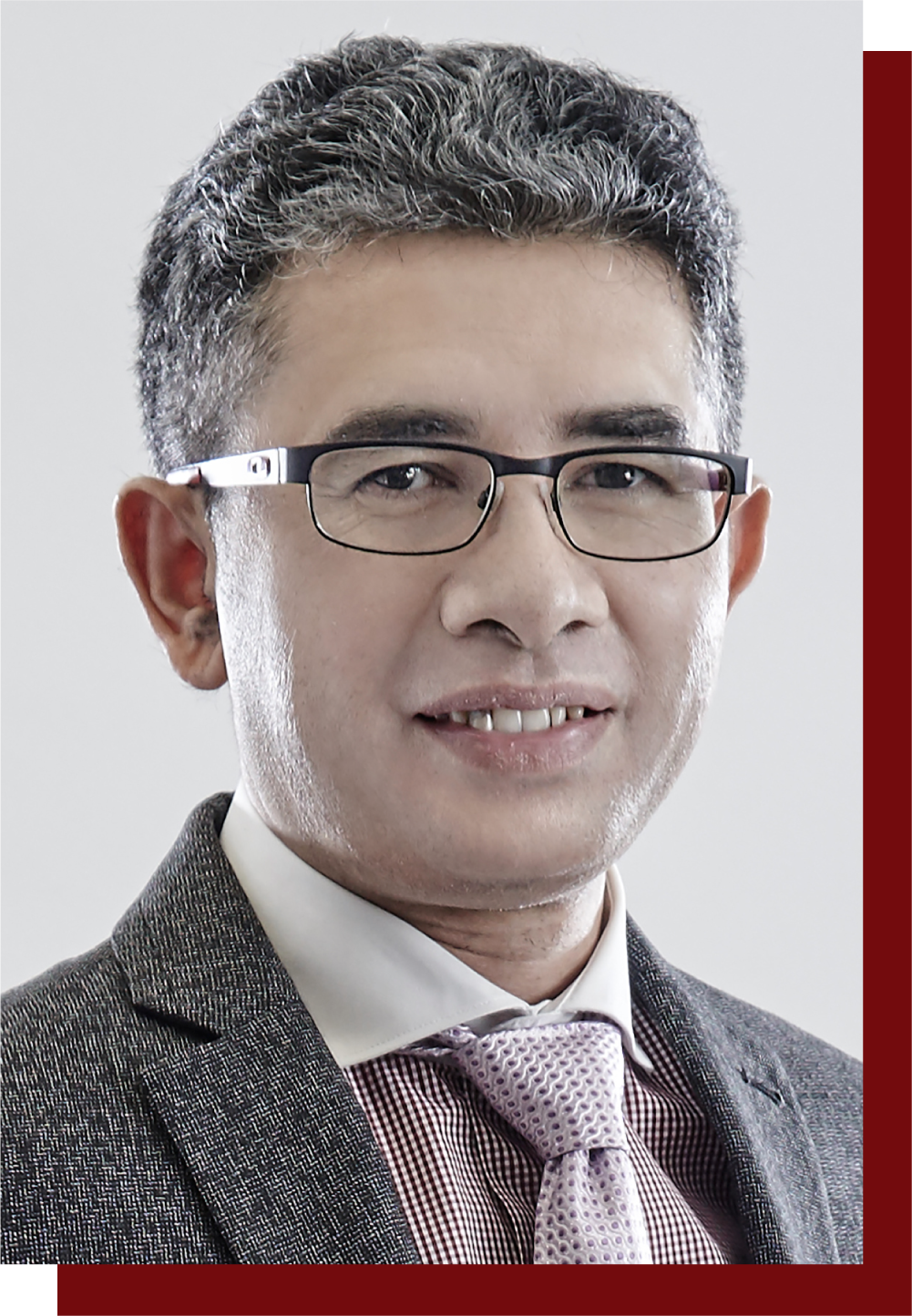
Welcome to the 23rd Malaysian Society of Haematology Annual Scientific Meeting 2026.
There is a saying that the only constant in medicine is change—though in haematology, change is practically in our blood. New targets, new therapies, new guidelines, and a steady transfusion of acronyms that arrive faster than anyone can fit them onto a slide. It is an exciting time to be in our speciality, even if staying current can feel like a full-time job in itself.
Our theme, Bridging Equity and Innovation in Haematology, gets to the marrow of the matter. Breakthroughs are circulating at extraordinary speed, but a therapy on a journal page does little good if it never reaches the ward. The real work begins after the discovery: ensuring innovation flows to every patient who needs it, not merely those fortunate enough to live within referral distance of Hospital Ampang.
Haematologists are, by temperament, bridge-builders. We span the gap between the laboratory and the bedside, between the evidence and the patient in front of us, and—on the more character-building days—between what the guideline recommends and what the formulary will permit. This meeting gathers colleagues from across Malaysia and the region to reinforce those bridges through shared learning, collaboration, and the occasional spirited disagreement.
I look forward to welcoming you to Johor Bahru. I hope you leave with new knowledge, new friendships, and the quietly reassuring discovery that the cases keeping you awake at night are keeping the rest of us awake too.
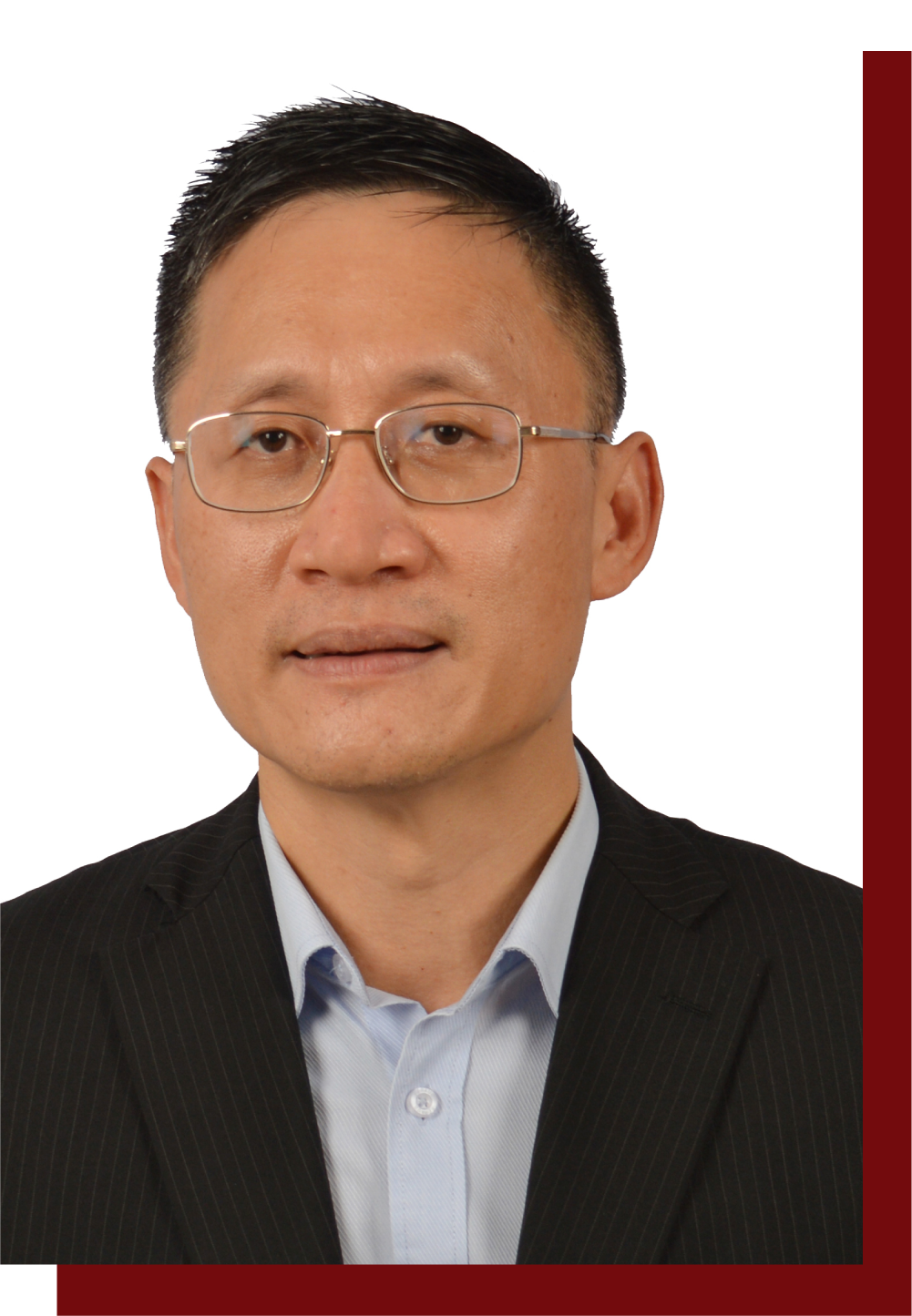
Dr Haris Abdul Rahman
President
Malaysian Society of Haematology

Senior Consultant Haematologist and Transplant Physician
Singapore General Hospital
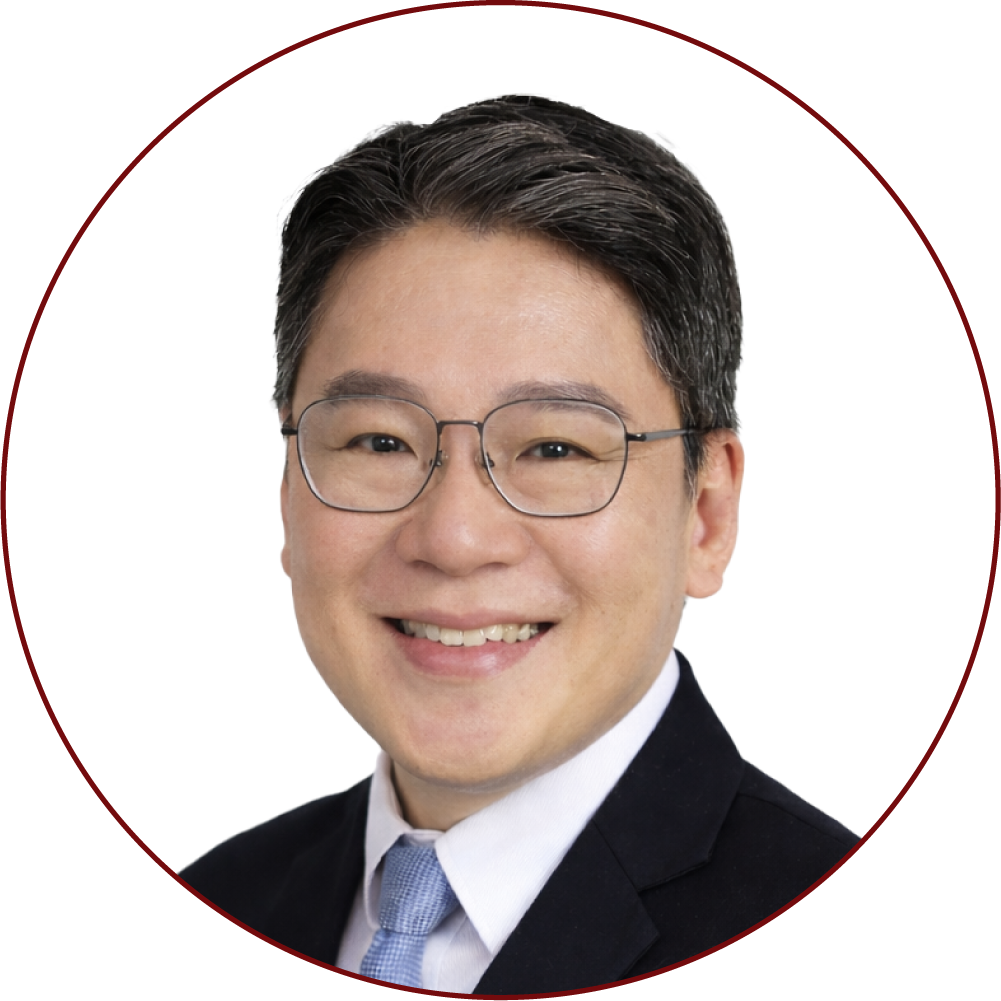
Senior Consultant Haematologist
National University Hospital Singapore

Senior Consultant Haematologist
Seoul National University Hospital
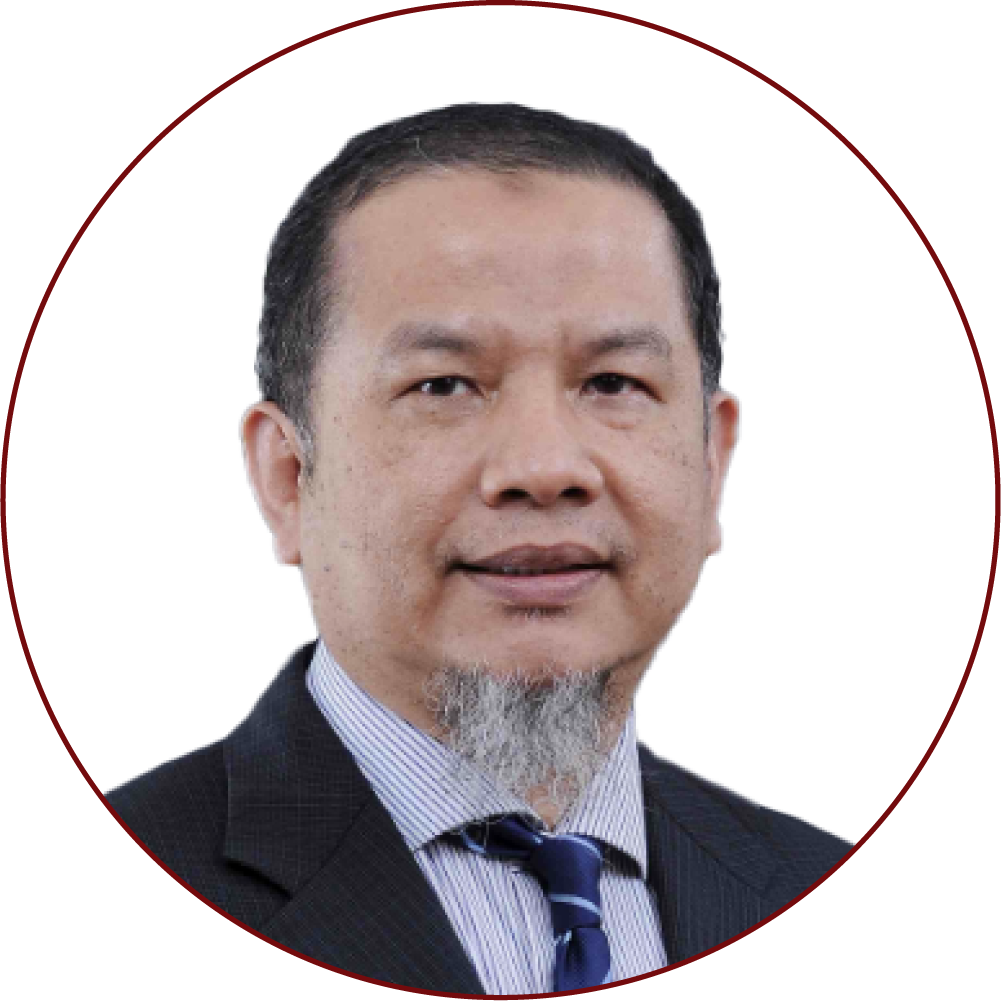
Senior Consultant Haematologist
Universiti Sains Malaysia
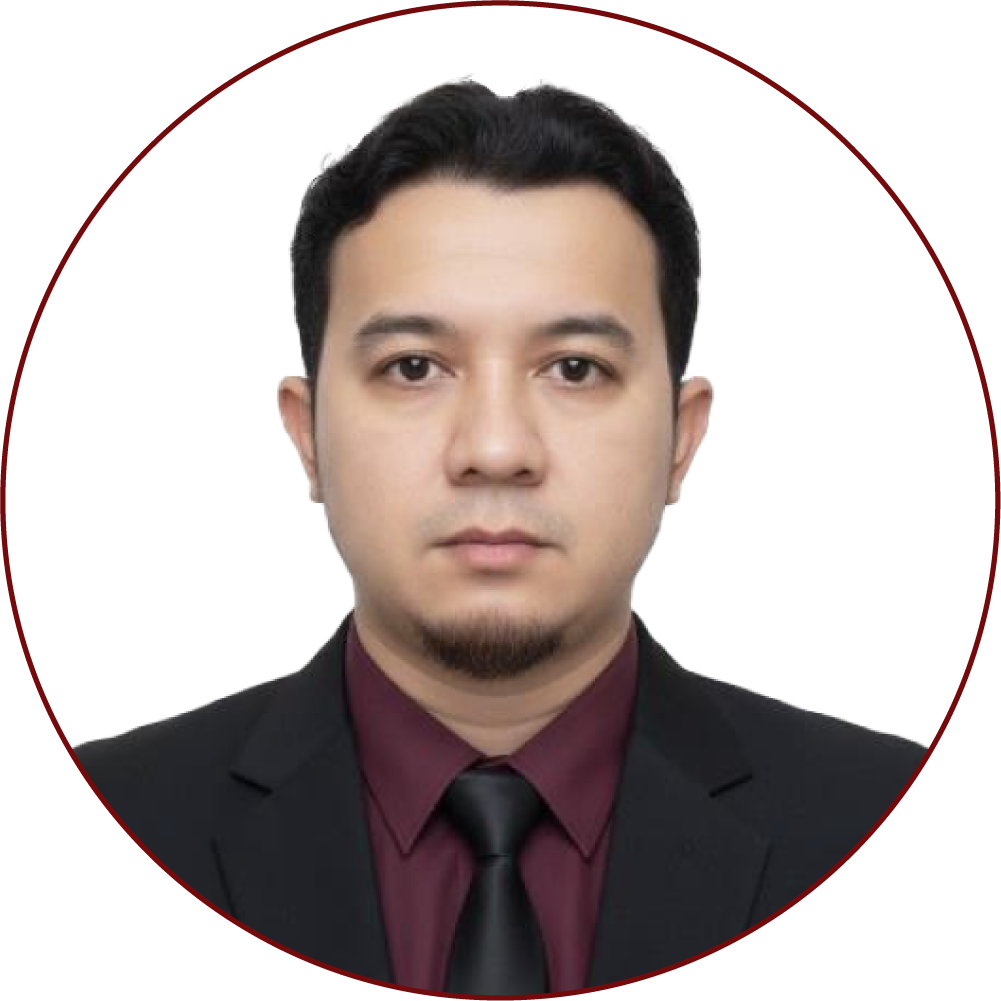
Head of Transfusion Medicine Department
Hospital Tengku Ampuan Rahimah

Senior Medical & Scientific Affairs Manager
Waters Biosciences Division (formerly BD Biosciences)
Asia Pacific
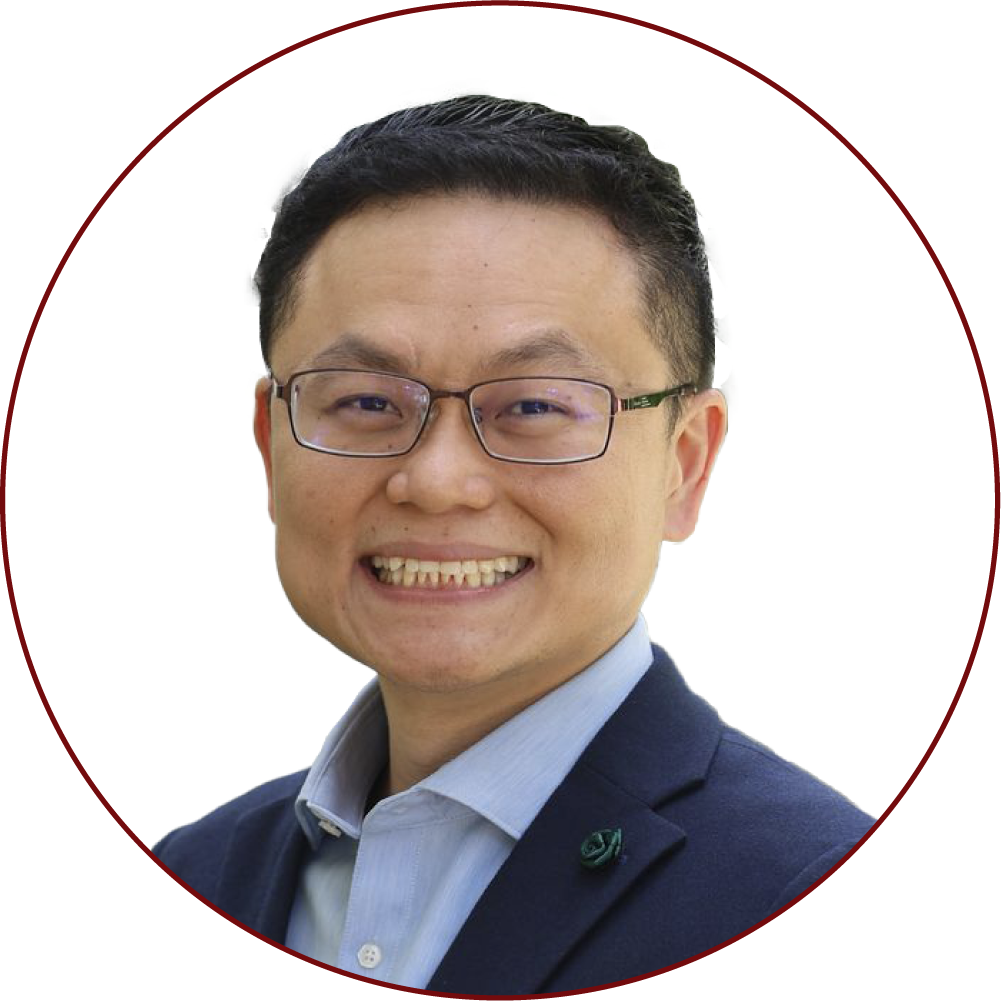
Consultant Haematologist
Sunway Medical Centre
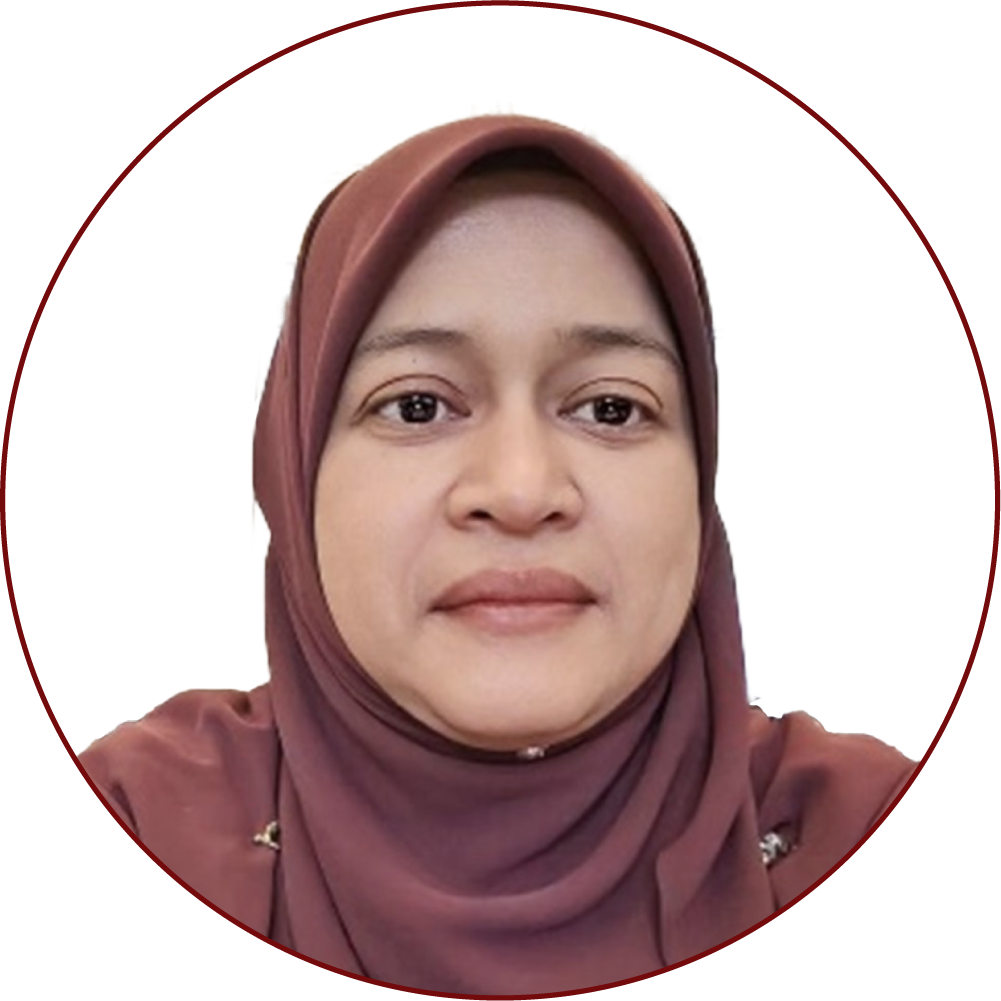
Pathologist
Hospital Sultanah Bahiyah, Alor Setar
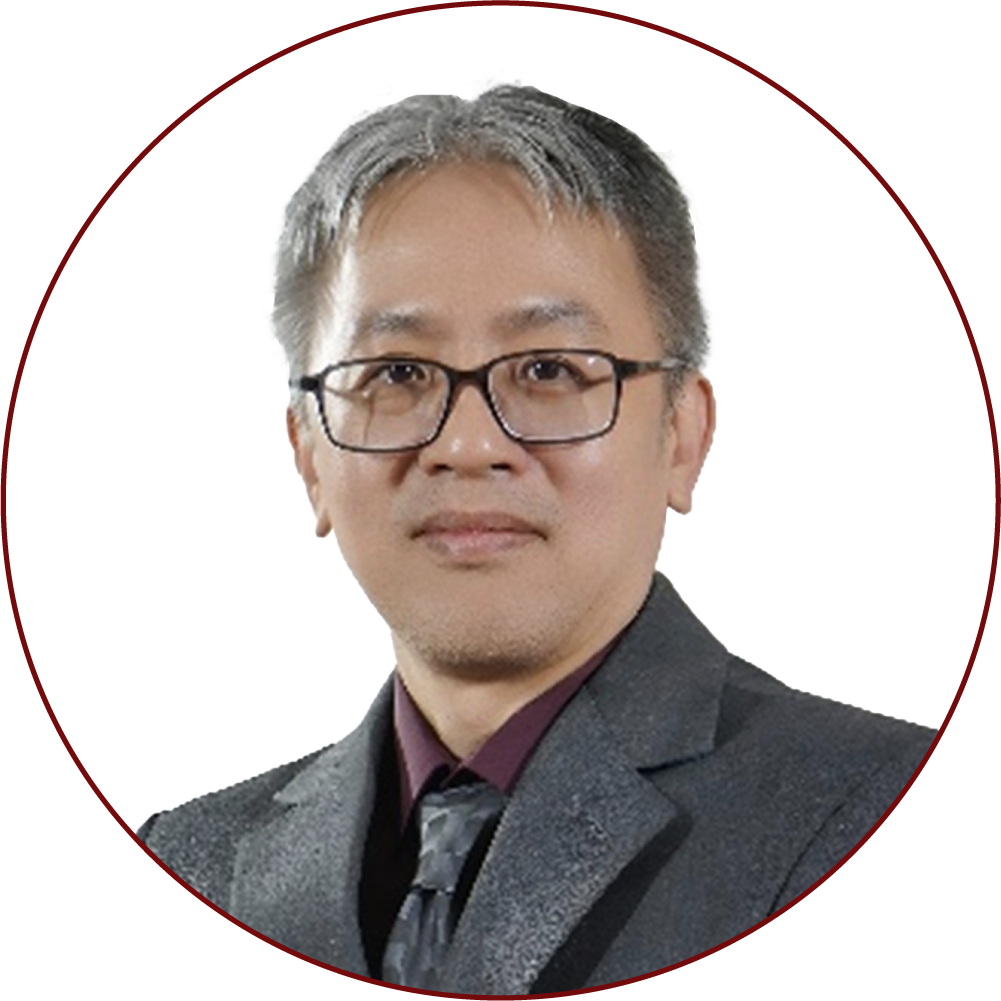
Consultant Haematologist
Hospital Ampang
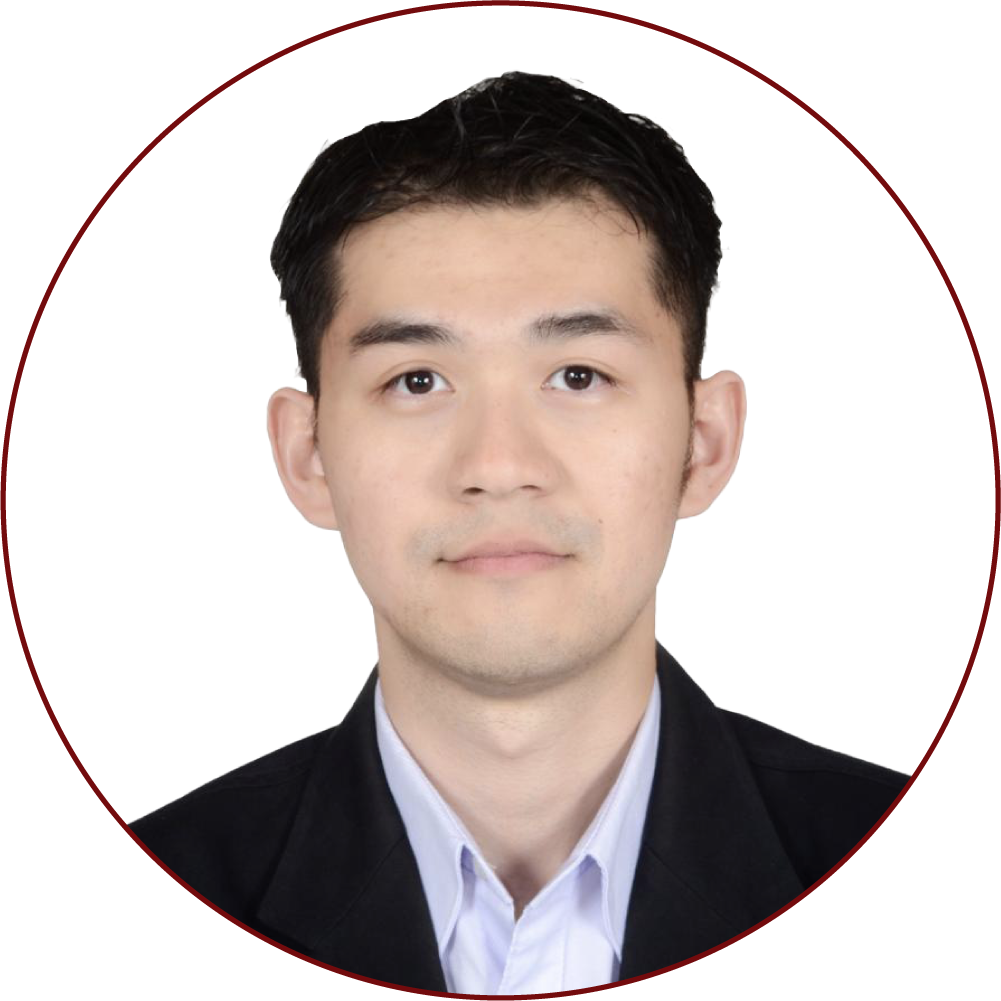
Consultant Haematologist
Hospital Umum Sarawak
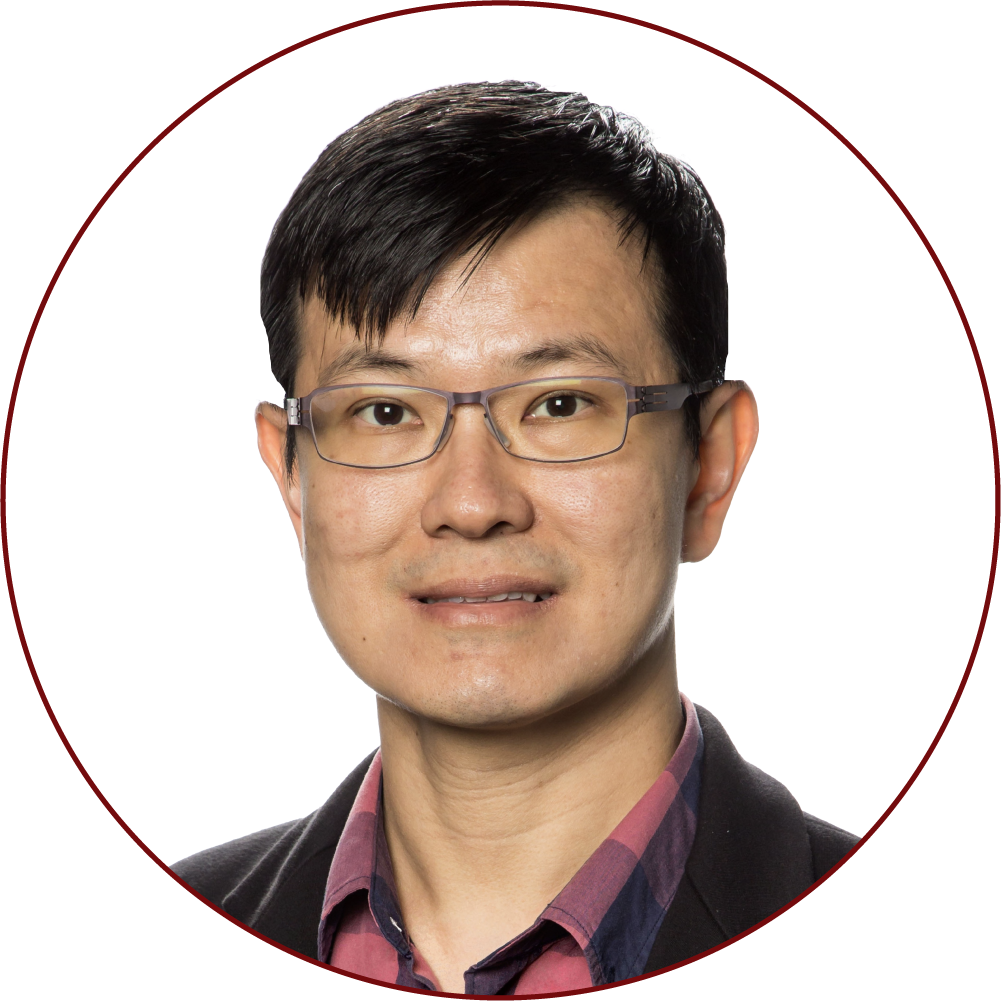
Consultant Clinical Haematologist & General Physician
Hospital Pulau Pinang
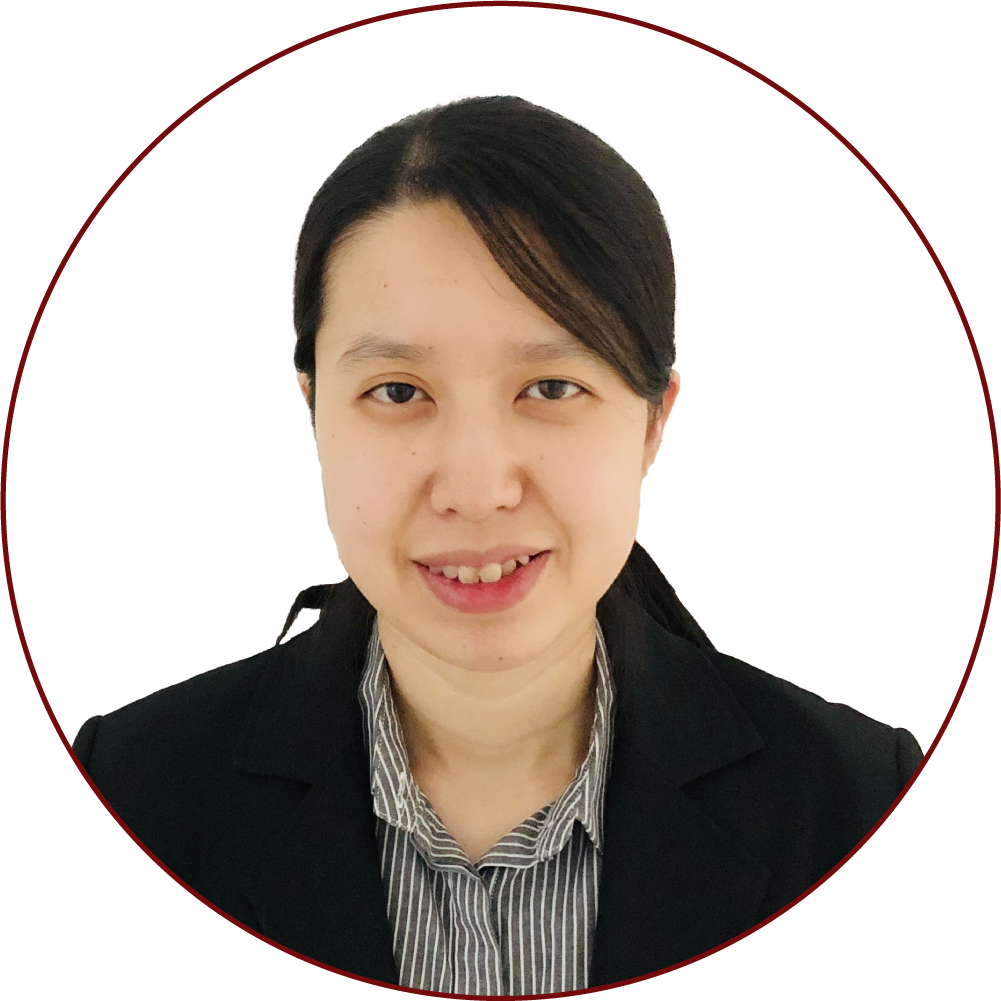
Palliative Medicine Physician and Internal Medicine Specialist
Hospital Sultanah Aminah, Johor Bahru
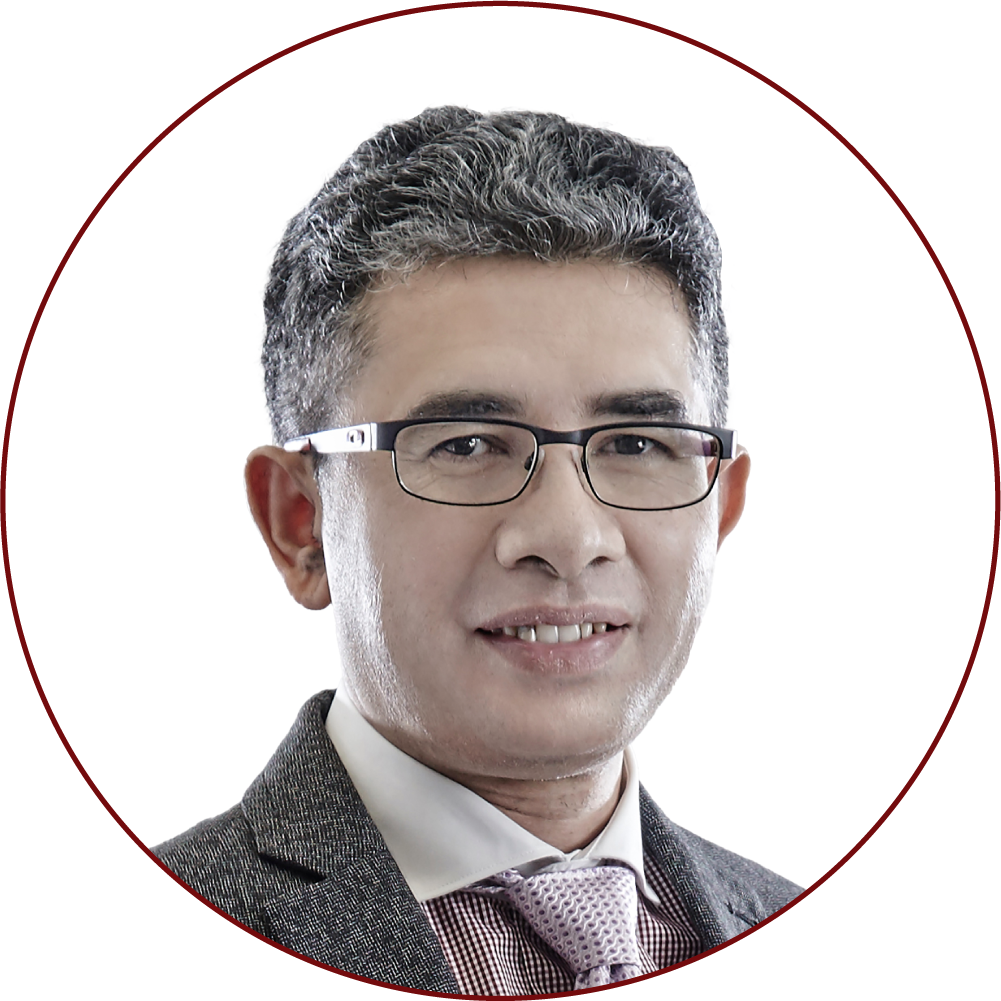
Consultant Haematologist
Subang Jaya Medical Centre
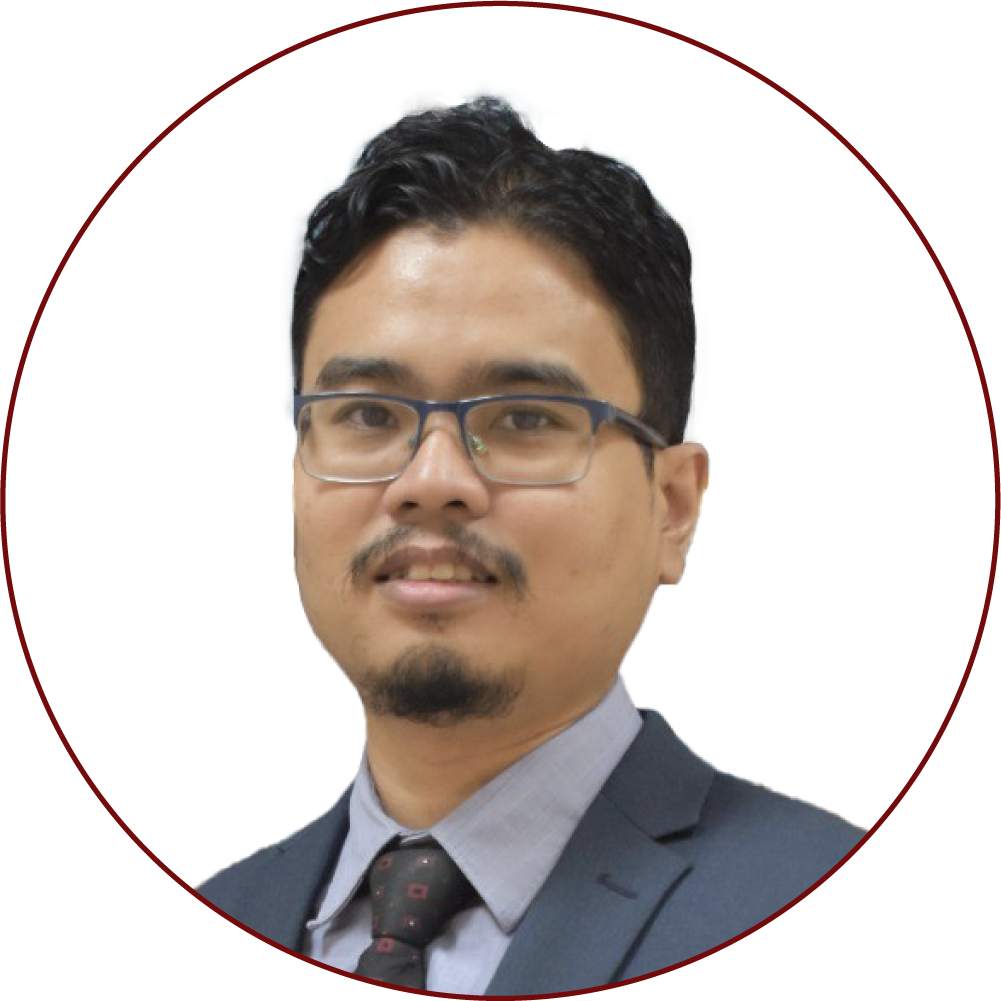
Head of Transfusion Medicine Unit
Hospital Sultan Ismail, Johor Bahru
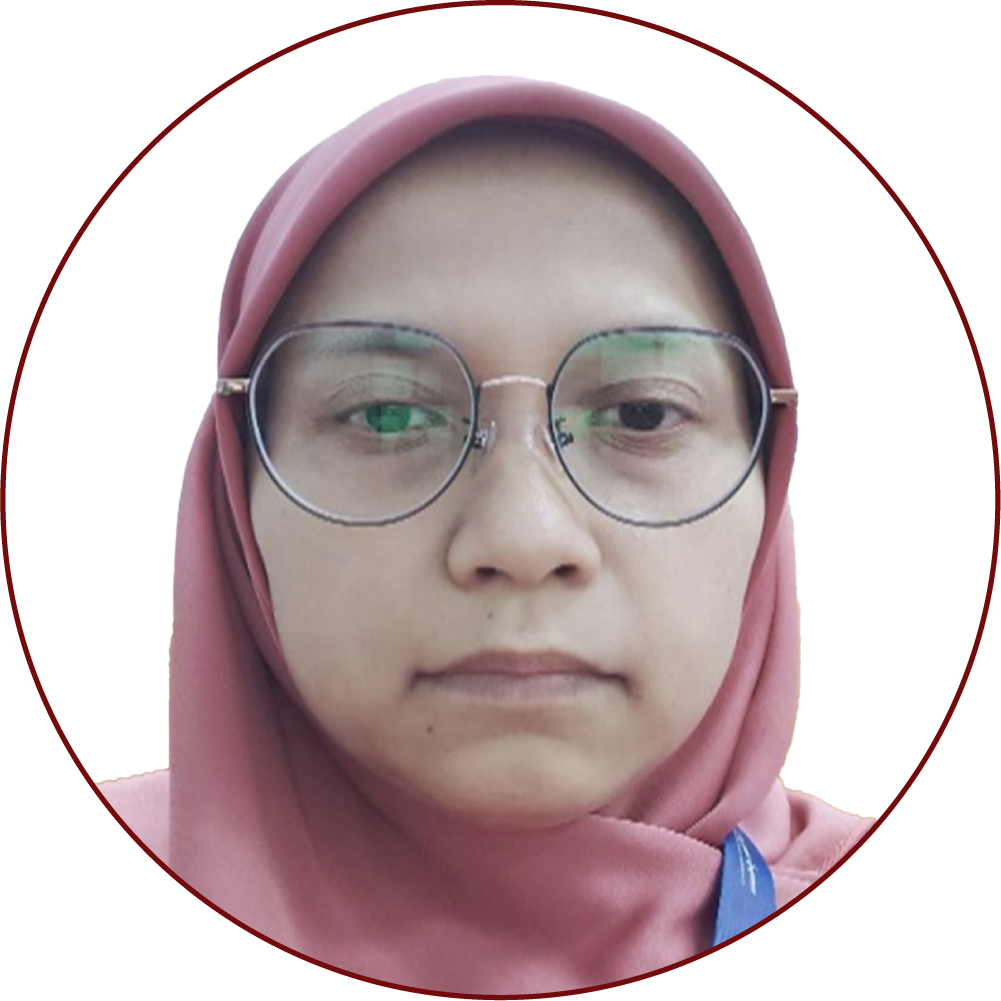
Pathologist (Haematology)
Hospital Enche’ Besar Hajjah Khalsom, Kluang
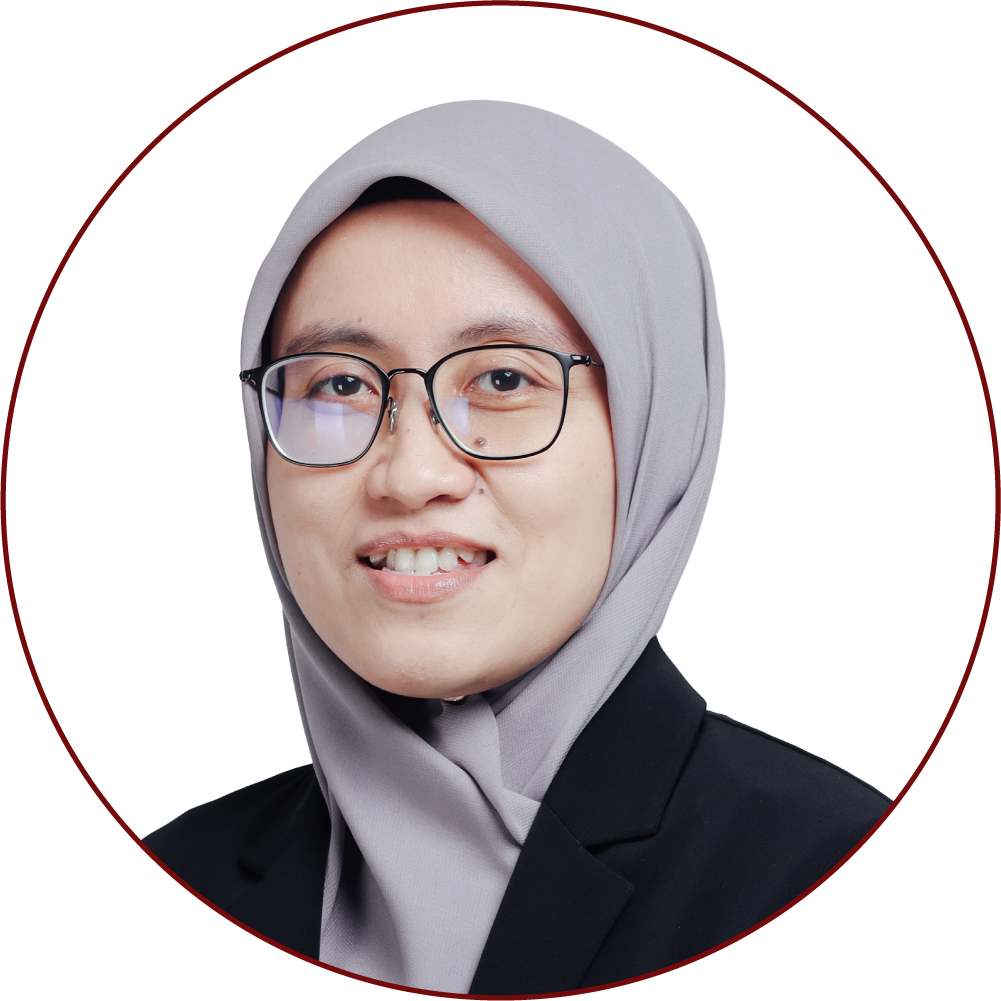
Clinical Haematologist
Hospital Raja Perempuan Zainab II
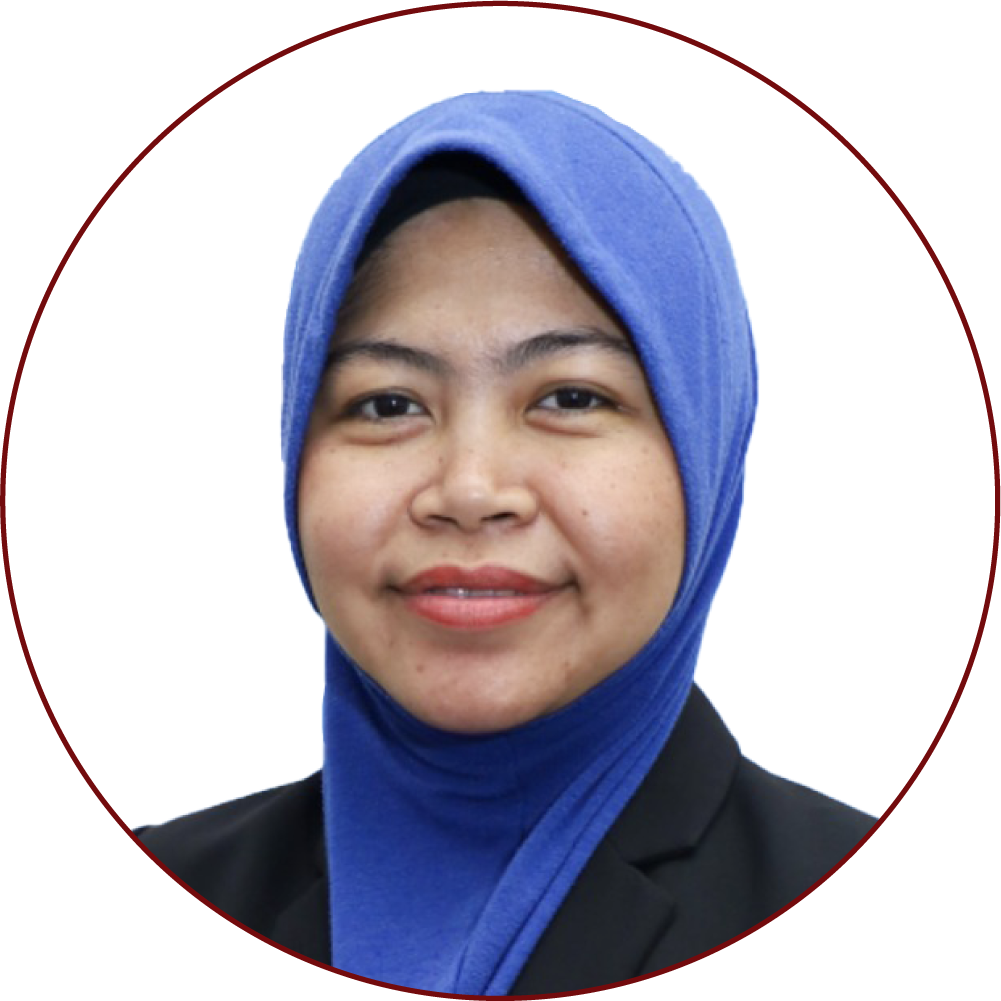
Transfusion Medicine Specialist
Hospital Sultanah Aminah, Johor Bahru
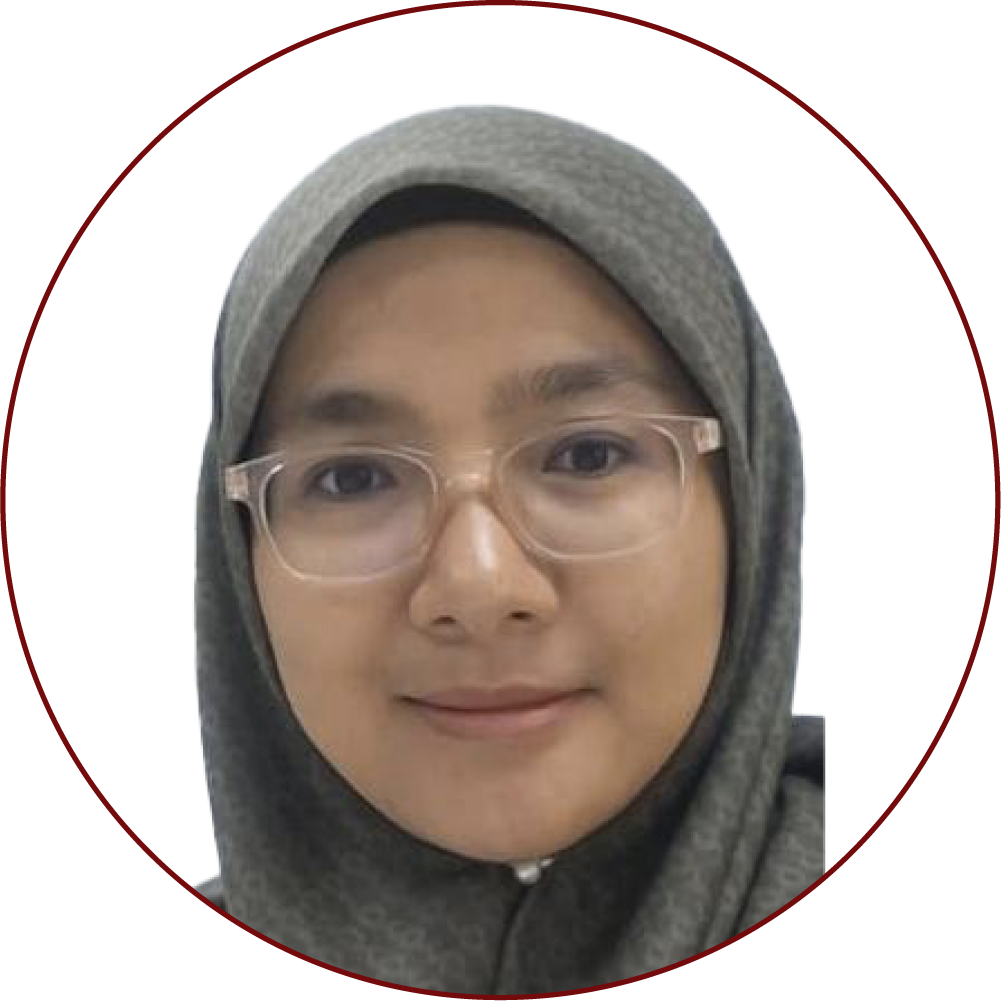
Pathologist
Hospital Tuanku Jaafar, Seremban
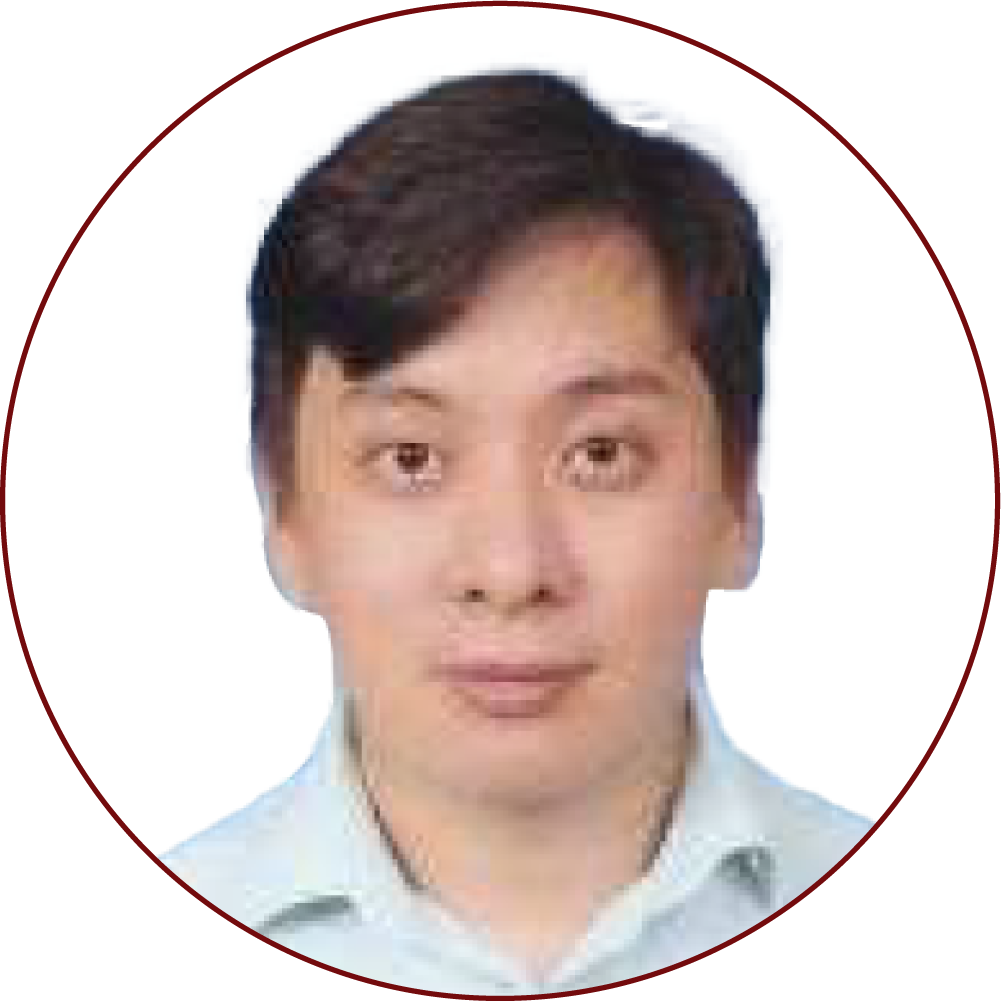
Rehabilitation Physician
Hospital Sultanah Aminah, Johor Bahru
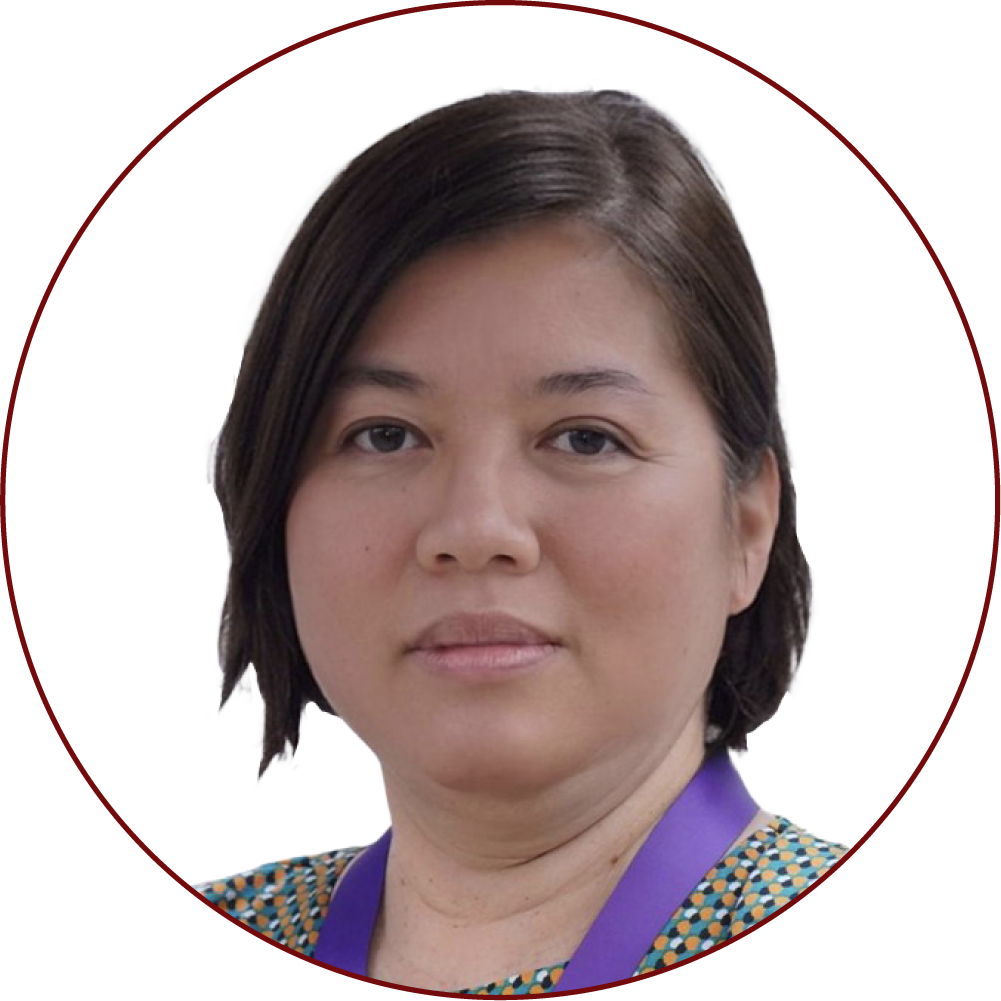
Consultant Haematologist
Subang Jaya Medical Centre
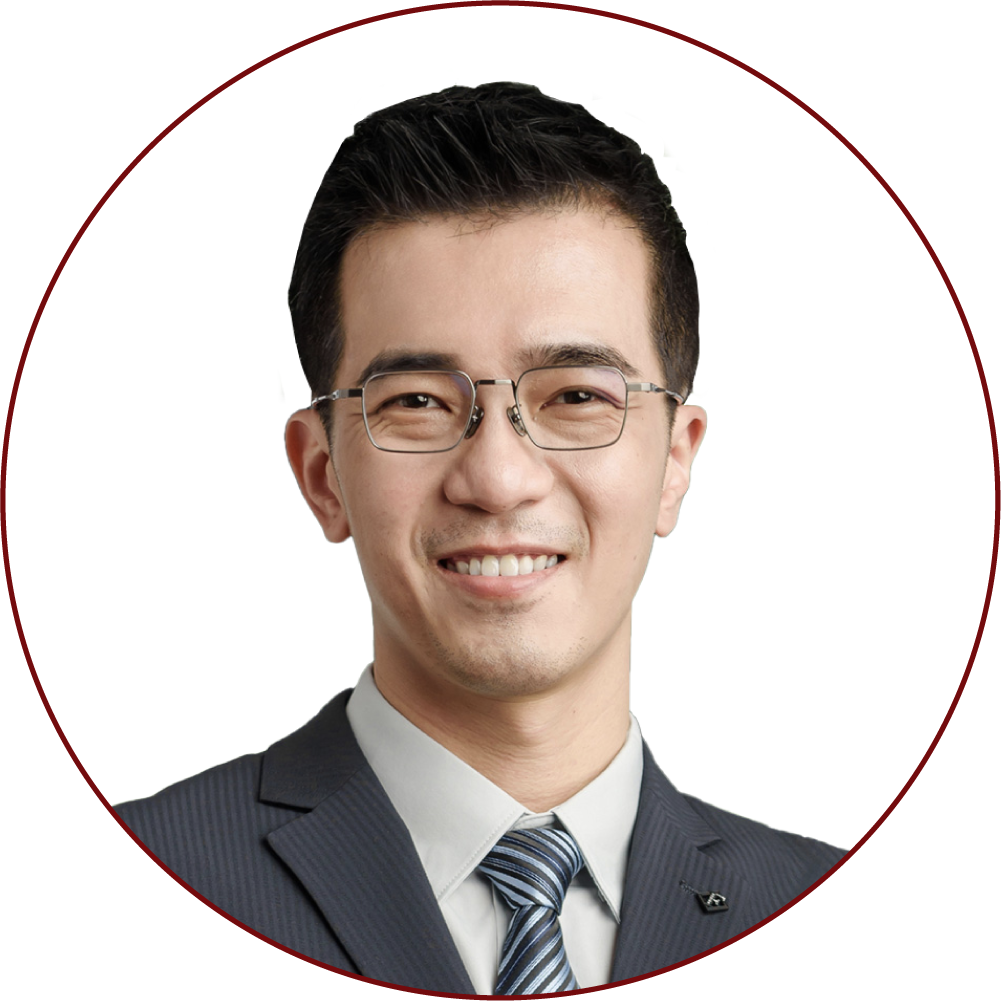
Consultant Haematologist and Transplant Physician
ICON Oncology

Hematopathologist
Hospital Kuala Lumpur
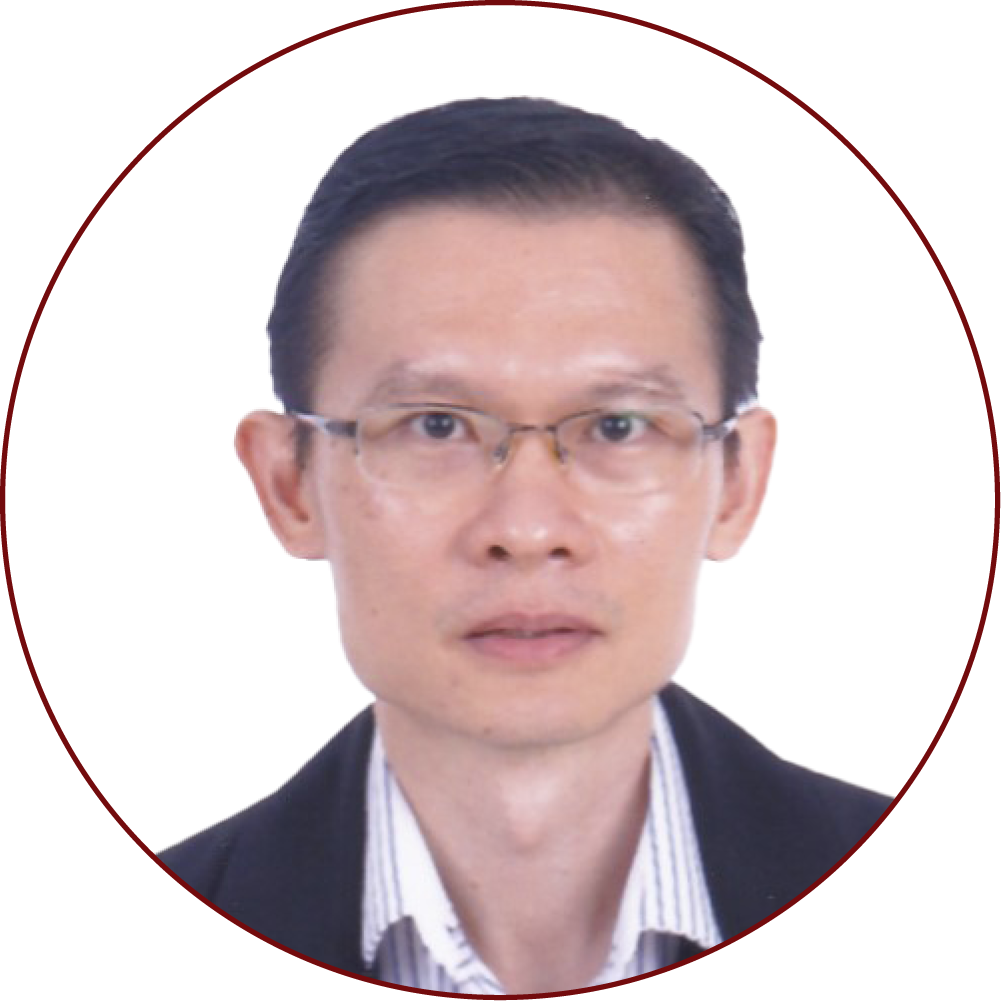
Haematologist
Hospital Tuanku Ja’afar Seremban
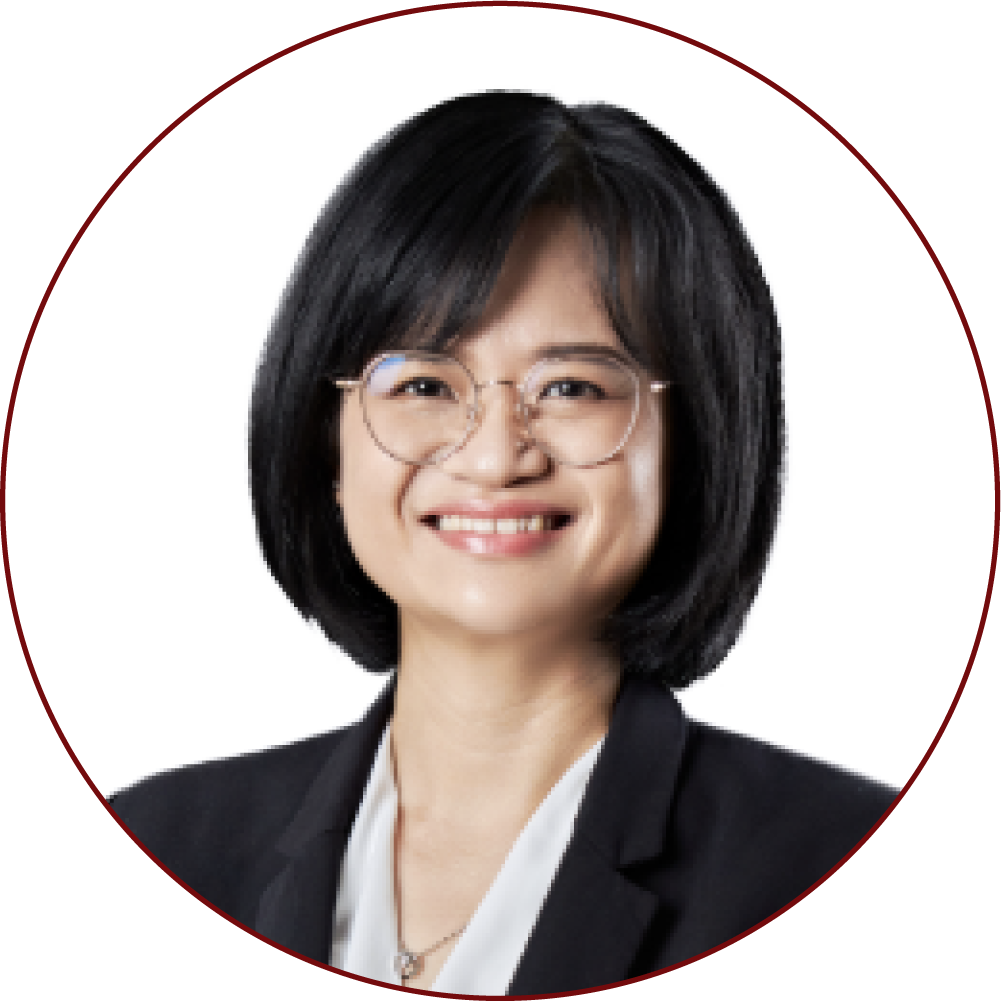
Consultant Hematologist & Internal Medicine Specialist
Miri Hospital (Hospital Miri)
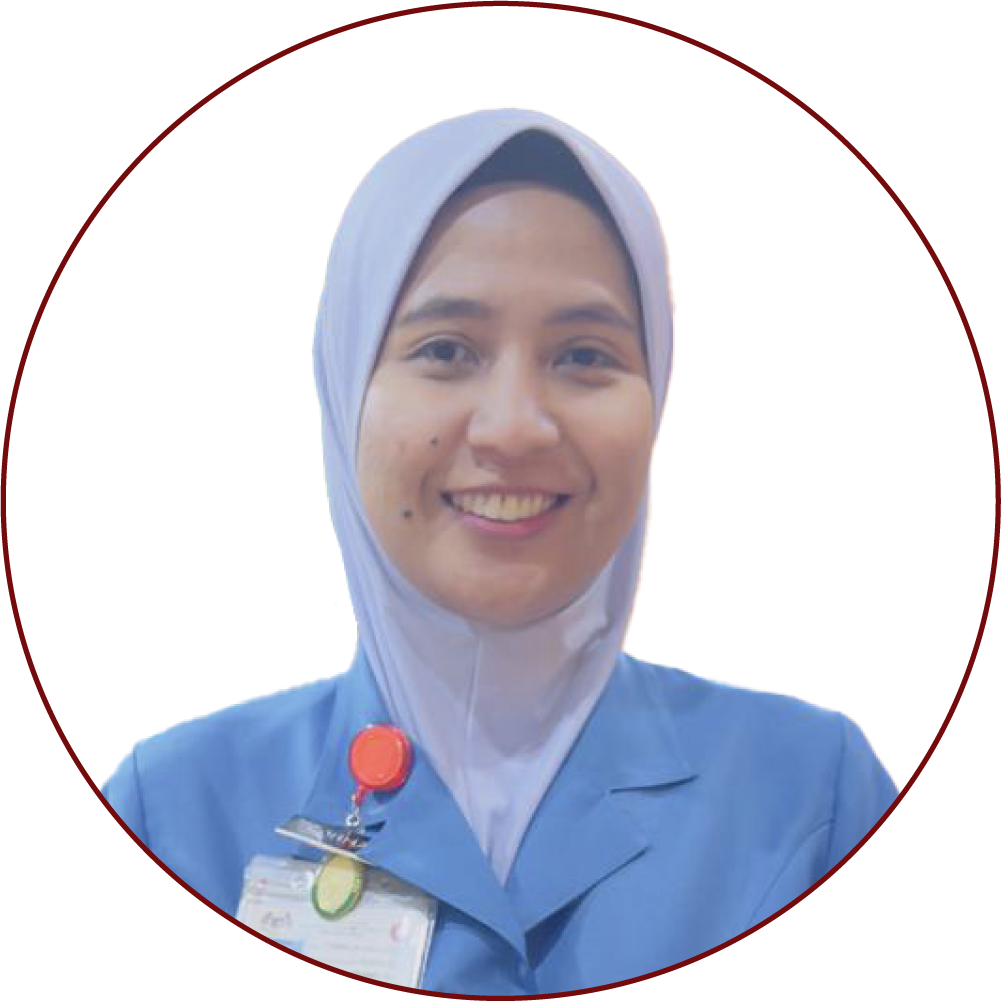
Department of haematology, Hospital Ampang


Pharmacist
Hospital Ampang
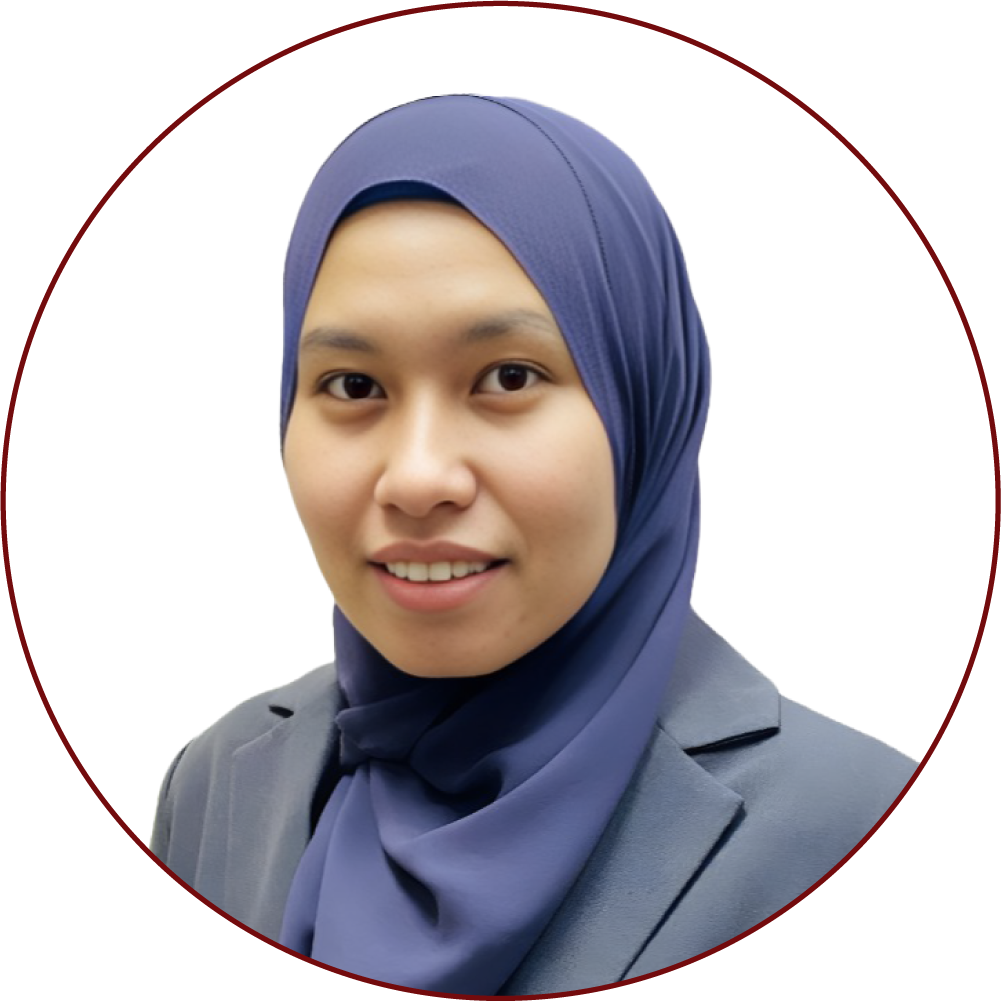
Clinical Pharmacist
Hospital Raja Permaisuri Bainun

Pharmacist
Hospital Sultanah Aminah, Johor Bahru
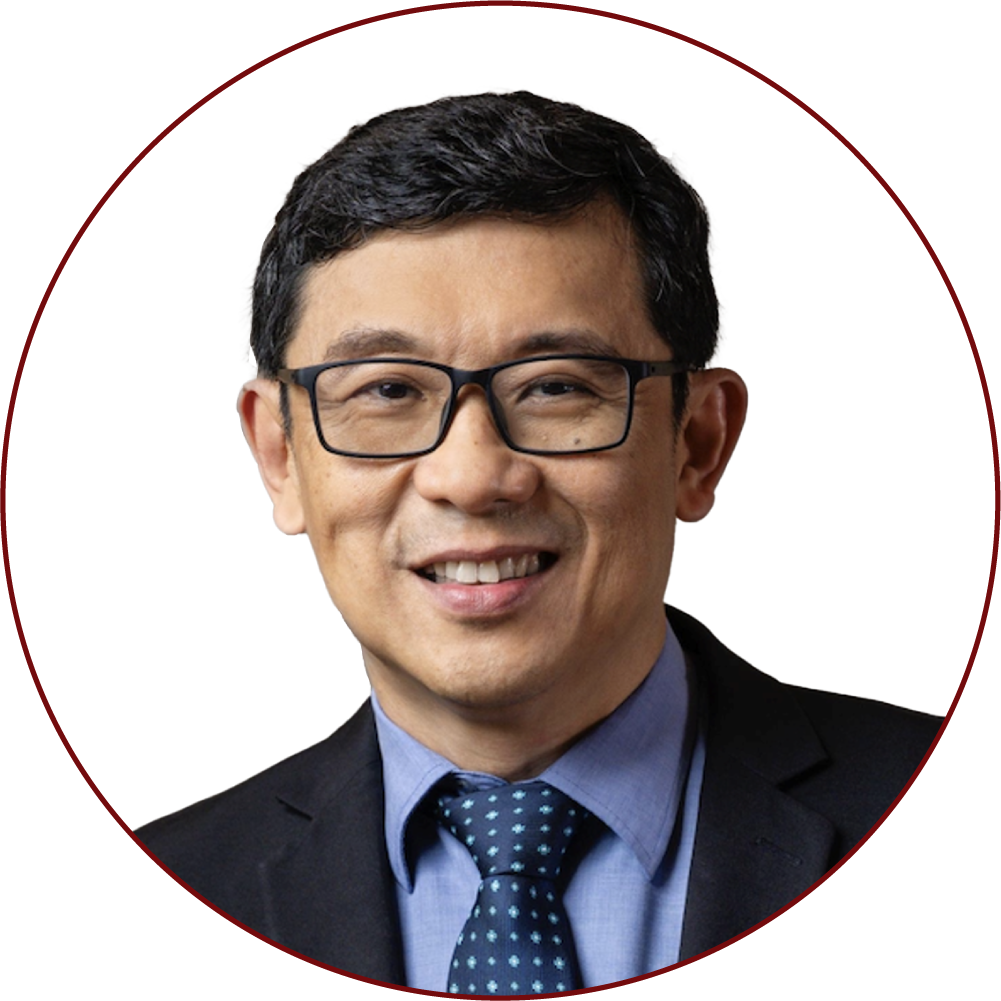
Consultant Haematologist and Transplant Physician
National University Hospital Singapore
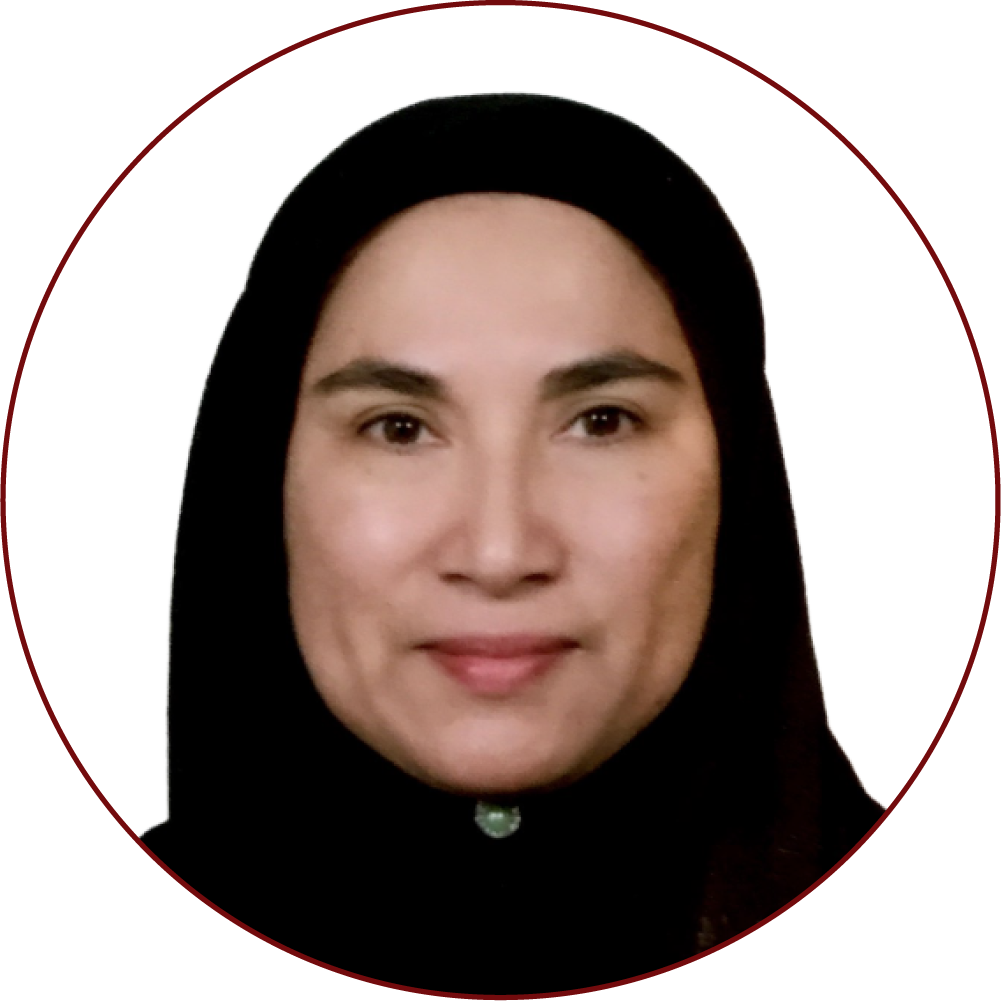
Consultant Anatomic Pathologist
Pantai Premier Integrated Lab
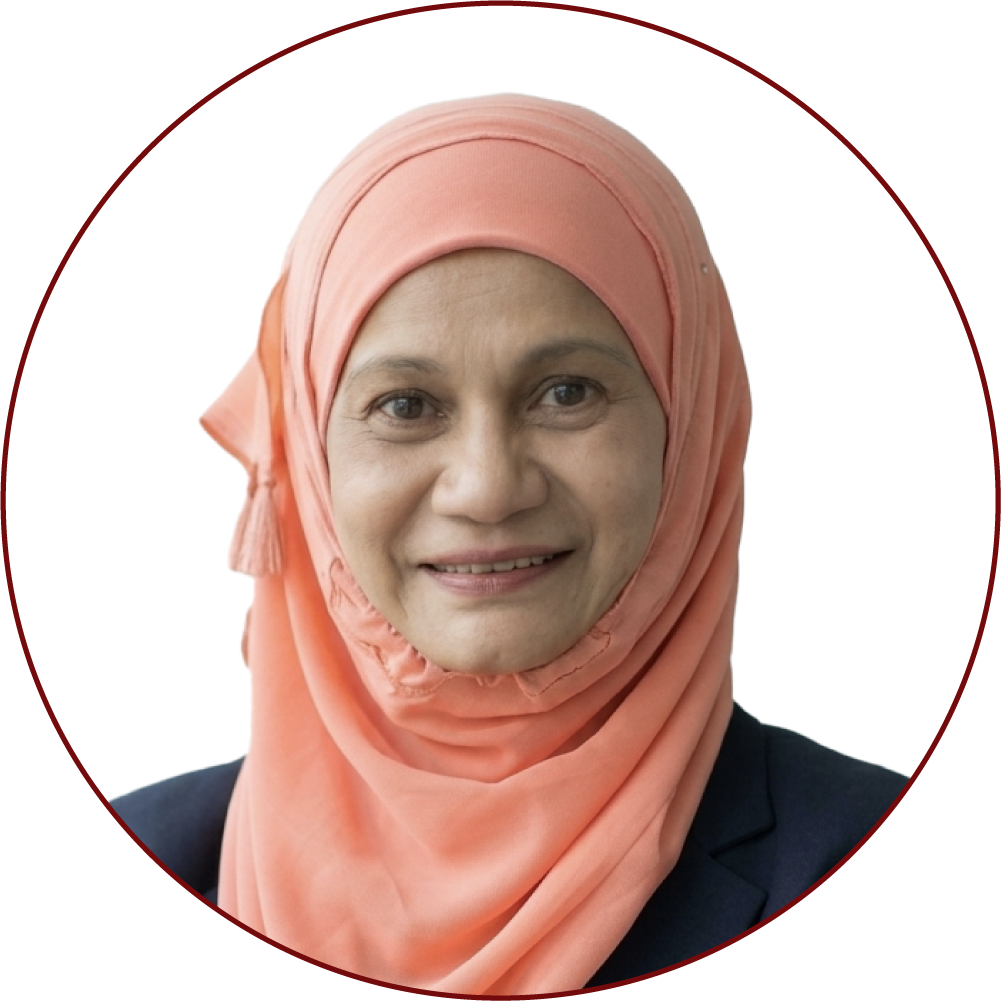
Senior Consultant Haematologist and Transplant Physician
Hospital Canselor Tuanku Muhriz
A/Prof Dr Linn Yeh Ching
Senior Consultant Haematologist and Transplant Physician
Singapore General Hospital
Advances in Haploidentical HSCT for Aplastic Anaemia
The speaker will approach this topic by attempting to answer a series of questions that are relevant to performing a haploidentical transplant for SAA. This includes clinical indication for using a haplo donor, donor characteristics, timing of transplant, conditioning regimen, GVHD prophylaxis platform, etc. The transplant outcome of SAA with various donor types in Singapore General Hospital will also be presented.
AP Dr Yap Eng Soo
Senior Consultant Haematologist
National University Hospital Singapore
Immune thrombocytopenia (ITP) remains a heterogeneous autoimmune disorder with an unpredictable clinical course, where a subset of patients demonstratespersistent or refractory thrombocytopenia despite standard therapies. These “difficult ITP” cases pose significant clinical challenges, including bleeding risk, treatment-related toxicity, and impaired quality of life. This talk will provide a practical, case-basedapproach to the management of refractory and relapsed ITP, integrating evolving pathophysiological insights with contemporary therapeutic strategies.
Through real-world case vignettes, we will explore common clinical dilemmas: steroid-dependent disease, failure of thrombopoietin receptor agonists(TPO-RAs) and ITP in the context of comorbidities such as infection, thrombosis, or pregnancy. Emphasis will be placed on distinguishing true refractoriness from misdiagnosis or secondary causes, and on the rational sequencing and combination of therapies.
Recent international guidelines, including those from the American Society of Hematology and International Consensus Report on ITP, will be reviewed,highlighting shifts toward individualized, patient-centered care. Emerging treatment paradigms such as early use of TPO-RAs, fostamatinib, FcRn inhibitors, and combination or steroid-sparing approaches will be discussed alongside real-world evidence.
A/Prof Dr Ja Min Byun
Senior Consultant Haematologist
Seoul National University Hospital
Frontline Waldentrom’s Macroglobulinemia in 2026: Chemoimmunotherapy or BTK inhibitors?
Waldenström’s Macroglobulinemia (WM) is a rare lymphoplasmacytic lymphoma characterized by clonal bone marrow infiltration, monoclonal IgM paraproteinemia, and recurrent somatic mutations in MYD88 (~95%) and CXCR4 (~40%). Despite significant therapeutic advances, no randomized controlled trial has directly compared chemoimmunotherapy (CIT) with BTK inhibitor (BTKi)-based frontline therapy, rendering optimal treatment selection an area of ongoing clinical debate.
Rituximab-based CIT regimens – principally bendamustine-rituximab (BR) and dexamethasone-rituximab-cyclophosphamide (DRC) – have historically formed the frontline backbone. BR achieves major response rates (MRR) exceeding 90% with a fixed-duration schedule, with 4-year PFS of 73% in treatment-naïve patients, but is associated with prolonged myelosuppression, immune compromise, and risk of secondary myeloid neoplasms. The phase III iNNOVATE study established ibrutinib plus rituximab as a chemotherapy-free alternative with superior PFS over rituximab monotherapy. In the phase III ASPEN trial, zanubrutinib demonstrated VGPR/CR rates of 36.3% versus 25.3% with ibrutinib at 44.4 months median follow-up in MYD88-mutated WM, with a more favorable cardiovascular toxicity profile. Extended follow-up at 5.8 years confirmed 60-month PFS event-free rates of 74.8% with zanubrutinib in MYD88-mutated disease. However, BTKi requires indefinite continuous administration and carries risks of atrial fibrillation, bleeding, and hypertension.
Critically, genomic profile profoundly influences treatment selection. CXCR4-mutated patients have lower VGPR/CR rates and longer time to response with BTKi, while TP53 mutation confers inferior outcomes with ibrutinib but not with zanubrutinib. Patients with MYD88-wildtype disease demonstrate negligible responses to ibrutinib, favoring CIT or zanubrutinib in this subgroup. In a large international comparative study of treatment-naïve WM, 4-year PFS was equivalent between BR and ibrutinib at 73% each, though BR yielded significantly higher ≥VGPR rates and superior OS in unmatched analysis.
In 2026, frontline decision-making in WM must integrate MYD88/CXCR4/TP53 mutational status, age, cardiovascular comorbidities, treatment urgency, stem-cell harvest intent, and patient preference for fixed- versus continuous-duration therapy. A genomics-guided, risk-stratified treatment algorithm is proposed to individualize frontline therapy and optimize long-term outcomes.
A/Prof Dr Azlan Husin
Senior Consultant Haematologist
Universiti Sains Malaysia
Dr Azlan Husin is an Associate Professor, Consultant Physician, and Clinical Haematologist in the Department of Internal Medicine, School of Medical Sciences, Universiti Sains Malaysia (USM), Kelantan. He obtained his medical degree from Universiti Kebangsaan Malaysia (UKM) in 1996, was certified as an Internal Medicine specialist in 2005, and subsequently qualified as a Clinical Haematologist in 2010. He has served multiple terms as a council member of the Malaysian Society of Haematology, as member and chair of Examination Committee. Since 2021, he has been the Chairman of USM’s Human Research Ethics Committee (JEPeM‑USM).
Dr Afif Bin Alam Faizli
Head of Transfusion Medicine Department
Hospital Tengku Ampuan Rahimah
Management of Multiple Alloimmunised Patient: From Transfusion Strategy to
Clinical Intervention
Multiply alloimmunised patients represent a growing and complex challenge in transfusion medicine, particularly among individuals requiring chronic transfusion support, such as those with hemoglobinopathies and haematologic disorders. The presence of multiple clinically significant red cell antibodies complicates the timely provision of compatible blood and increases the risk of adverse outcomes, including haemolytic transfusion reactions and hyperhaemolysis.
Key transfusion strategies will be discussed, including extended antigen matching, the role of red cell genotyping, and the utilisation of rare donor resources to optimise compatibility and minimise further alloimmunisation. The session will also address critical clinical scenarios such as haemolytic transfusion reactions and hyperhaemolysis syndrome, highlighting the importance of recognising these complications and initiating appropriate immunomodulatory interventions, including corticosteroids, intravenous immunoglobulin, and targeted therapies.
Through selected case-based discussions, this presentation aims to bridge laboratory practice and clinical management, emphasising a multidisciplinary approach and the importance of a comprehensive transfusion history in guiding safe and effective patient care. These cases underscore that prevention of alloimmunisation, early identification of at-risk patients, and judicious transfusion practices remain central to improving outcomes in this complex patient group.
Dr Amitav Mohanty
Senior Medical & Scientific Affairs Manager
Waters Biosciences Division (formerly BD Biosciences)
Asia Pacific
Current Practice of BCP-ALL MRD in Flow Cytometry and Next Generation Flow
Measurable residual disease (MRD) assessment has become an integral component of risk stratification and treatment response monitoring in B‑cell precursor acute lymphoblastic leukemia (BCP‑ALL). Over the past decade, flow cytometry based MRD has evolved significantly, driven by methodological standardization, advances in multicolor instrumentation, optimized antibody panels, and sophisticated data analysis platforms.
This session will review the current clinical practice of BCP‑ALL MRD by flow cytometry, with emphasis on the implementation of standardized EuroFlow based workflows that enable reproducible and harmonized MRD assessment across laboratories. The importanceof end‑to‑end standardization from sample preparation, antibody panel design, data acquisition, to reporting will be discussed, highlighting how such approaches reduce interlaboratory variability and support consistent clinical decision making. Advancements in modern flow cytometers and analytical software have further strengthened assay robustness, allowing high‑event acquisition and objective, database‑guided analysis. These technologies facilitate improved sensitivity, accuracy, and reproducibility focusing on next‑generation, high‑sensitivity BCP-ALL MRD assays using Next‑Generation Flow principles, which push detection limits to below 10⁻⁵.
Finally, selected cases will be analyzed to demonstrate common diagnostic challenges, interpretative pitfalls. Together, these examples will illustrate how current and next‑generation MRD strategies can be effectively integrated into routine workflows to deliver clinically meaningful insights in BCP‑ALL management.
Dr Andy Tang
Consultant Haematologist
Sunway Medical Centre
Bio
Dr Andy Tang Sing Ong is a Consultant Haematologist and Transplant physician from Sunway Medical Centre. He holds dual fellowships from Royal College of Physicians of Edinburgh (FRCP) and Royal College of Pathologists (FRCPath – Haematology) and trained at premier institutions including National University Hospital (NUH) Singapore. Accredited by the European Hematology Association (EHA) and European Society of Bone and Marrow Transplantation (EBMT), his clinical focus includes leukaemia, lymphoma, haemostasis, thrombosis, laboratory and transfusion medicine, stem cell transplantation and cellular therapy.
Abstract
Clinical management of venous thromboembolism (VTE) in 2026 centers on personalized, risk-adapted strategies, moving away from “one-size-fits-all” approaches toward shared decision-making, with a focus on maximizing safety and reducing long-term complications. The key nuances in the clinical management of VTE will be discussed, including anticoagulation nuances – choice and duration, and with a particular focus on VTE in special populations/ unusual site venous thromboembolism.
Dr Hafizah Hashim
Pathologist
Hospital Sultanah Bahiyah, Alor Setar
Co‑inheritance of Alpha and Beta Thalassemia: Diagnostic and Clinical Implications
Co‑inheritance of alpha and beta thalassemia represents an important yet often
under‑recognized contributor to diagnostic complexity in populations with high thalassemia carrier rates. The interaction between reduced α‑globin and β‑globin synthesis can significantly modify hematological indices, leading to phenotypes that deviate from classical patterns expected for isolated alpha or beta thalassemia traits. Individuals with combined defects may present with milder microcytosis, borderline or atypical HbA₂ levels, or discordant red cell parameters that challenge routine screening algorithms and risk misclassification. These atypical findings underscore the limitations of relying solely on hematology and electrophoresis profiles. In certain instances, severe clinical phenotypes can arise, such as those caused by the co-inheritance of alpha-globin gene triplication/quadriplication .
Molecular testing remains essential for accurate genotype definition, particularly when α‑gene deletions ameliorate the severity of β‑thalassemia mutations or when β‑variants unmask underlying α‑thalassemia. Understanding these genotype–phenotype interactions is crucial for refining reflex testing strategies, improving laboratory interpretation, and ensuring precise carrier counselling. This presentation will highlight local case examples, discuss diagnostic pitfalls, and emphasize the importance of integrated hematological and molecular approaches. Strengthening awareness of co‑inheritance patterns supports more accurate risk assessment and enhances the effectiveness of national thalassemia prevention programs.
When Genes Collide: Co-inheritance of SAO and Thalassemia – Does It
Really Matter?
Southeast Asian Ovalocytosis (SAO) and thalassemia are two of the most common inherited red cell disorders in Malaysia, frequently encountered in both routine screening and targeted diagnostic workflows. While each condition independently produces characteristic haematological and morphological features, their co‑inheritance presents a unique interpretive challenge for laboratories and clinicians. As national programmes expand reflex
testing, antenatal screening, and molecular confirmation, understanding how these two conditions interact has become increasingly important.
This presentation will share cases of co-inheritance of SAO and thalassemia, specifically addressing the question of whether its presence genuinely affects diagnostic accuracy, phenotypic expression, or genetic counselling outcomes, or if it is clinically insignificant. We explore how SAO’s rigid erythrocyte membrane and distinctive ovalocytic morphology may mask, mimic, or modify the classical features of α‑ or β‑thalassemia carriers. Particular emphasis is placed on atypical red cell indices, misleading MCV/MCH patterns, and the potential for discordance between smear findings, Hb analysis, and molecular results. Beyond laboratory interpretation, the talk highlights implications for genetic counselling, especially in antenatal settings where accurate carrier identification is critical. Although most individuals with SAO–thalassemia co‑inheritance remain clinically well, the interaction between these genes can influence reporting clarity, partner testing decisions, and communication with families.
Ultimately, recognising when “genes collide” allows laboratories to refine reflex algorithms, avoid over‑diagnosis, and strengthen the reliability of national thalassemia screening. This session provides practical guidance for pathologists, scientists, and clinicians navigating this under‑appreciated but increasingly relevant diagnostic scenario.
Dr Jerome Tan Tsen Chuen
Consultant Haematologist
Hospital Ampang
Advancement in the treatment of R/R Follicular Lymphoma
Follicular Lymphoma (FL) is the 2nd most common B-NHL after DLBCL. It is generally more common in the elderly and is categorized as an indolent lymphoma with long survival. Typical chromosomal translocation t(14;18) in FL involves the IGH and BCL-2 genes. However, there are recurrent mutations involving epigenetic regulators as well. The FLIPI score is a well-known and established risk stratification tool for FL. Recently, a clinicogenetic model which incorporates the mutational status of 7 genes with the FLIPI score has been reported to improve risk stratification and able to predict progression of disease within 24 months (POD24).
Current treatment in newly diagnosed advanced FL typically involves chemoimmunotherapy (CIT) with either R-CHOP/R-CVP or R-Bendamustine. Based on the recent findings of the GALLIUM trial, the mutational status of 2 genes, EZH2 and CREBBP were able to predict cohorts which may benefit from R-CHOP/R-CVP vs R-Bendamustine.
In relapse/refractory FL, the conventional option of CIT or R-Lenalidomide have been the mainstay of therapy. However, patients with POD24 do rather poorly with conventional therapies. Recently emerging options such as antiCD19 monoclonal antibody and Bispecific T-cell engagers (BiTEs) have been approved for R/R FL with impressive results. CAR-T is also an attractive option. The emerging BiTEs therapy with or without additional oral agents have also been tested in newly diagnosed FL in a fixed duration manner with subcutaneous administration.
The outlook of FL appears to be promising and better therapeutic strategies are on the horizon. A more personalized approach with better risk prediction models, tailored therapeutic options and emerging cellular therapies heralds an exciting era ahead.
Dr Leong Tze ShinInternal
Consultant Haematologist
Hospital Umum Sarawak
Marginal zone lymphoma (MZL) is often a marginalised or “forgotten” lymphoma, despite being one of the most common indolent B-cell lymphomas and, in parts of Asia, likely rivalling follicular lymphoma in frequency. Encompassing splenic, nodal, and extranodal (MALT) subtypes, MZL is driven by chronic antigenic stimulation, immune dysregulation, and key molecular pathways including NF-κB activation. This session will provide a concise overview of its biology and pathophysiology, alongside a practical approach to management. Specific strategies include Helicobacter pylori eradication in gastric MALT lymphoma, observation in asymptomatic splenic MZL, and use of rituximab-based therapy or BTK inhibitors in advanced or relapsed disease, highlighting a tailored, subtype-directed approach.
Dr Liew Hong Keng
Consultant Clinical Haematologist & General Physician
Hospital Pulau Pinang
LIEW HONG KENG is a specialist in INTERNAL MEDICINE (GENERAL) | CLINICAL HAEMATOLOGY, serving patients at HOSPITAL PULAU PINANG, GEORGETOWN and HOSPITAL SULTANAH BAHIYAH, ALOR SETAR. With a dedication to comprehensive medical care, LIEW HONG KENG is skilled in the diagnosis and management of diverse medical conditions. Individuals in search of a reliable and proficient physician may find LIEW HONG KENG to be a committed healthcare provider.
LIEW HONG KENG is a medical professional with notable qualifications in INTERNAL MEDICINE (GENERAL) | CLINICAL HAEMATOLOGY. The training and background of LIEW HONG KENG allows patients to receive care that meets the highest standards of current medical practice. LIEW HONG KENG aims to deliver reliable medical services that are centered around the patient.
LIEW HONG KENG offers a wide array of services pertaining to INTERNAL MEDICINE (GENERAL) | CLINICAL HAEMATOLOGY. Patients have the opportunity to receive in-depth evaluations, precise diagnoses, and treatment strategies designed for the individual. These services are structured to address a spectrum of medical requirements, with a strong emphasis on the improvement of patient health and well-being.
Dr Look Mei Ling
Palliative Medicine Physician and Internal Medicine Specialist
Hospital Sultanah Aminah, Johor Bahru
The management of critically ill patients with relapsed or refractory haematologic malignancies presents a unique clinical challenge. Unlike many solid tumors, the trajectory of haematologic cancers is often characterized by high symptom burden and rapid clinical shifts. Every member of the interdisciplinary team play a pivotal role in ensuring effective symptom control while supporting care that remains aligned with patients’ goals and values.
This session aims to highlight common and distressing symptoms in this population—including pain, dyspnoea, delirium, nausea and vomiting—and discuss practical, evidence-based strategies for their management. Emphasis will be placed on safe and effective medication use, non-pharmacological interventions, deprescribing where appropriate, and navigating challenges such as limited oral routes.
Participants will also gain insight into approaches to elicit patients’ values and preferences when faced with a serious life-limiting illness. This is essential to ensure delivery of compassionate, patient-centred care that honours both symptom relief and what matters most to patients and their families.
Dr Haris Abdul Rahman
Consultant Haematologist
Subang Jaya Medical Centre
Targeting the Genome: Precision Medicine Approaches in Acute Myeloid Leukaemia
Acute myeloid leukaemia (AML) is entering a new era, driven by rapid advances in genomic understanding and the emergence of targeted therapeutic strategies. Once defined largely by morphology, AML is now recognised as a biologically heterogeneous and dynamically evolving disease, where genomic context increasingly determines clinical behaviour and treatment response.
This lecture will examine how genomic profiling has transformed contemporary AML practice, informing updated WHO, ICC, and ELN classifications and enabling more precise risk stratification at diagnosis. Moving beyond traditional paradigms, the session will highlight how insights into disease biology are now directly shaping therapeutic approaches.
Key clinical trials—including RATIFY, ADMIRAL, VIALE-A, and AGILE—will be discussed to illustrate how targeting oncogenic drivers, cellular dependencies, and metabolic pathways has led to meaningful improvements in survival across diverse patient populations. These advances underscore a paradigm shift from intensification of chemotherapy towards rational, biology-driven treatment strategies.
The growing role of measurable residual disease (MRD) as a sensitive and dynamic biomarker will also be explored. MRD assessment is increasingly central to modern AML management, refining prognostication, guiding transplant decisions, and redefining treatment endpoints beyond conventional remission criteria.
Finally, emerging therapies targeting transcriptional and epigenetic programmes, including menin inhibitors, will be presented as part of the next wave of precision medicine in AML.
This session aims to provide a clinically relevant and forward-looking overview of how genomics is reshaping AML care—moving the field towards more personalised, adaptive, and effective treatment strategies
Dr Mohd Redzuan bin Abdullah
Head of Transfusion Medicine Unit
Hospital Sultan Ismail, Johor Bahru
Red Cell Alloantibodies in Pregnancy: Clinical Challenges and Management.
Red cell alloimmunisation in pregnancy remains an important cause of Haemolytic Disease of the Fetus and Newborn (HDFN), despite the widespread use of anti-Rh(D) immunoglobulin prophylaxis. Increasingly, non-Rh(D) antibodies are contributing to fetal morbidity and mortality, presenting evolving diagnostic and management challenges. This presentation provides a narrative review of current guidelines and literature, including recommendations from the Royal College of Obstetricians and Gynaecologists (RCOG), alongside relevant regional practices. Key areas include antenatal screening, antibody identification, fetal monitoring, and transfusion support. Early identification, appropriate risk stratification, and
multidisciplinary management are essential to improving outcomes.
Dr Noraini Binti Amir
Pathologist (Haematology)
Hospital Enche’ Besar Hajjah Khalsom, Kluang
Dr Noraini Binti Amir is a Pathologist (Haematology) in Hospital Enche’ Besar Hajjah Khalsom Kluang, Johor. She obtained her medical degree from Universiti Putra Malaysia on 2006 and then was certified as Pathologist on 2018 also from Universiti Putra Malaysia. She is currently the Head of the Department of Pathology and Blood Bank at Hospital Enche’ Besar Hajjah Khalsom.
Dr Nur Aini Syakirah
Clinical Haematologist
Hospital Raja Perempuan Zainab II
Dr. Nur Aini Syakirah Ahmad Shuyuti is a Clinical Hematologist and Internal Medicine Physician based in Kota Bharu, currently practicing at Hospital Raja Perempuan Zainab II, where she also leads clinical hematology services in the state. She holds a Fellowship in Clinical Haematology from the Malaysian Society of Hematology and a Master of Medicine (Internal Medicine) from Universiti Sains Malaysia, with a career spanning role from house officer to consultant specialist. In addition to heading the Hematology Unit and Medical Daycare services, she is actively involved in postgraduate medical training and serves as an honorary lecturer at multiple Malaysian universities. Her professional contributions extend to memberships in key national and international medical organizations, while her research portfolio includes extensive involvement in multicentre clinical trials as a principal investigator, co-investigator, and sub-investigator, focusing on hematologic malignancies, genetic studies, and novel therapeutic approaches.
Dr Syirah Nazirah Binti Mohd Tajuddin
Tajuddin
Pathologist
Hospital Tuanku Jaafar, Seremba
Dr. Syirah Nazirah Binti Mohd Tajuddin is a pathologist in hematology and currently serves as the head of the Hematology Unit, Pathology Department, at Hospital Tuanku Jaafar, Seremban, where she leads diagnostic hematology services. She obtained her medical degree from Universiti Putra Malaysia in 2007 and her Doctor of Pathology (Hematology) from Universiti Kebangsaan Malaysia in 2016. Since specializing in hematology, Dr. Syirah has been deeply involved in the diagnosis and management of complex hematological disorders. She has chaired various departmental and hospital-level activities and has been invited to speak at seminars and courses at multiple levels. She contributes to national pathology development as a committee member for the National Pathology Research Committee, where she was the head of the hematology fraternity from the year 2022 until 2025. She is also a member of the National Area of Interest (AOI) Hematology-Oncology (trephine) subspecialist working group, where her role is to contribute to national planning, national databases, and conducting educational and training initiatives. In 2024, she received a Ministry of Health (MOH) sponsorship to pursue advanced training in hemato-oncology (morphology–trephine) at PathWest Laboratory, Royal Perth Hospital, and Fiona Stanley Hospital in Perth, Western Australia, which she completed in June 2025. She is now one of the recognized referral experts for trephine biopsy cases in the country.
Dr Tan Jin Hui
Rehabilitation Physician
Hospital Sultanah Aminah, Johor Bahru
Preventing Deconditioning and Promoting Functional Recovery in Haematology Patients: Practical Strategies for Nurses
Patients with haematological disorders, particularly those undergoing intensive chemotherapy, prolonged hospitalization, or stem cell transplantation, are highly vulnerable to rapid deconditioning due to fatigue, inactivity, muscle loss, anemia, , infection risk, neuropathy and treatment-related complications. Functional decline can develop early and may affect mobility, independence in activities of daily living, discharge readiness, and overall quality of life.
The aim of this session is to equip nurses and allied healthcare staff with strategies to reduce functional decline and help patients maintain mobility and independence throughout treatment. By including movement into routine care, nurses play an important role in preserving function and improving patient outcomes.
Dr Tan Sen Mui
Consultant Haematologist
Subang Jaya Medical Centre
Dr Tan Sen Mui obtained her basic medical degree locally and MRCP in UK. Started haematology training in the MOH in 2001 and subsequently further has her training in stem cell transplantation followed by research in cancer immunotherapy in University Wuerzburg, Germany.
She has special interest in cancer immunotherapy and actively participated in clinical trials. She joins private in SJMC following her retirement after serving more than 3 decades of government service, mainly in Hospital Ampang.
She is also the past secretary of Malaysian Society of Haematology (MSH) and member of the European Society for Blood and Marrow Transplantation (EBMT).
Dr Tan Sui Keat
Consultant Haematologist and Transplant Physician
ICON Oncology
Supportive care following chemotherapy is an essential component of cancer management. Beyond achieving disease control, clinicians play a crucial role in helping patients recover safely from treatment-related toxicities, maintain quality of life, and transition into long-term survivorship care.
This presentation will discuss practical strategies in supporting patients after chemotherapy, including early recognition and management of hematological and non-hematological toxicities, infection surveillance, nutritional support, symptom control, and monitoring for treatment-related complications. Emphasis will also be placed on patient education, psychosocial support, rehabilitation, vaccination, fertility considerations, and long-term surveillance for relapse or secondary malignancies.
Dr Yong Kar Ying
Consultant Hematologist & Internal Medicine Specialist
Miri Hospital (Hospital Miri)
How I Treat Haemolytic Anaemia: A Practical Case (Dr Yong Kar Ying)
Haemolytic anaemia represents a diverse group of disorders characterized by premature red cell destruction, with varied etiologies ranging from immune-mediated processes to inherited membrane and enzymatic defects. The heterogeneity of presentations often poses diagnostic and therapeutic challenges in clinical practice. This session adopts a practical, case-based approach to the evaluation and management of haemolytic anaemia. Through real-life clinical scenarios, key principles in recognizing haemolysis, interpreting laboratory findings, and differentiating between immune and non-immune causes will be highlighted. Emphasis will be placed on structured diagnostic strategies, including the role of direct antiglobulin testing, peripheral blood film assessment, and relevant biochemical markers. Management strategies will be discussed in a pragmatic manner, focusing on first-line and subsequent therapies for common conditions such as autoimmune haemolytic anaemia, as well as the approach to secondary causes.
KJ Norhafiza Razali
Department of haematology, Hospital Ampang
Optimising Patient Readiness for Haematopoietic Stem Cell Transplantation:
A Nursing Perspective
Haematopoietic Stem Cell Transplantation (HSCT) is a complex and high-risk treatment that requires careful patient preparation to ensure optimal outcomes. Nursing plays a key role in improving patient readiness before transplantation by providing education, psychological support, symptom management, and physical assessment. The lecture explores how nursing interventions can enhance patient understanding of the procedure, improve adherence to pre transplant requirements, and reduce anxiety. Effective communication, early identification of potential complications, and individualized care planning are essential components of nursing practice in HSCT preparation. By optimizing patient readiness, nurses contribute to improved transplant success rates, reduced complications, and better overall patient experiences.
Beyond Clinical Care: Counselling Essentials for Haemato-Oncology Nurses
Haemato-oncology nursing extends beyond the delivery of complex clinical care to encompass the psychological and emotional well-being of patients and their families. Individuals diagnosed with hematological malignancies often experience significant distress, including fear, anxiety, uncertainty, and depression, which may impact treatment adherence and overall outcomes. In this context, nurses play a pivotal role in providing holistic care through effective communication and basic counselling support.
The essential counselling principles required in haemato-oncology settings are emphasizing core competencies such as active listening, empathy, therapeutic communication, and cultural sensitivity. It also highlights the importance of supporting families, maintaining professional boundaries, and recognizing when to refer patients to specialized services.
By integrating counselling skills into daily nursing practice, haemato-oncology nurses can enhance patient coping, strengthen therapeutic relationships, and contribute to improved quality of care, aims to equip nurses with practical approaches to deliver compassionate, patient care in challenging clinical environments.
Nursing Coordination in Multidisciplinary Thalassemia Care
Thalassemia is a chronic hematological condition requiring lifelong, coordinated management across multiple specialties. Effective multidisciplinary care is essential to prevent complications and improve patient outcomes. Within this framework, nursing coordination plays a critical role in ensuring continuity, safety, and patient-centered care.
The role of the nursing coordinator in integrating services across disciplines, including hematology, transfusion therapy, iron chelation management, and psychosocial support. Key responsibilities such as patient education, monitoring treatment adherence, coordinating appointments, and early detection of complications are important and highlighted.
Challenges in care coordination, including patient compliance and system limitations, are also important and highlighted, together with practical strategies to enhance efficiency and communication within the multidisciplinary team.
Effective nursing coordination contributes significantly to improved clinical outcomes and quality of life for patients with thalassemia.
Miss Lee Yi Jing
Pharmacist
Hospital Ampang
Lee Yi Jing is a hospital pharmacist with extensive hands-on experience in cytotoxic drug reconstitution and oncology pharmacy.
With a proven track record at Hospital Ampang, she has led cytotoxic drug reconstitution in cleanroom environments, managed inventories and budgets, and implemented SOPs to enhance safety, quality, and regulatory compliance. Her roles have spanned clinical trial coordination under Good Clinical Practice, haematology medication management, chemotherapy counseling, and biannual health checks for CDR personnel. She also served in leadership as Hospital Ampang representative for the Oncology Pharmacy Working Committee at both Selangor state level and national level.
Mrs Wan Alia Amalina Binti Adenan
Clinical Pharmacist
Hospital Raja Permaisuri Bainun
Wan Alia Amalina Binti Adenan is a Clinical Pharmacist at Hospital Raja Permaisuri Bainun (HRPB), Ipoh, with extensive experience across both paediatric and adult haematology care. Following a specialized Ministry of Health training attachment at Hospital Ampang in 2016 focused on enhancing the management of patients on factor concentrate therapy, she successfully pioneered HRPB’s Paediatric Haemophilia Medication Therapy Adherence Clinic (HMTAC). Since 2017, she has also served as the dedicated clinical pharmacist for the adult haematology ward, later completing formal subspecialty training in Cytotoxic Drug Reconstitution (CDR) and clinical haematology under the Ministry of Health’s Oncology Pharmacy Service framework in 2023.
At the national level, Puan Alia is actively involved with the Ministry of Health Malaysia in developing the 2nd Edition of the national Haemophilia MTAC Protocols. She is also part of the first cohort of the Malaysia Advanced Clinical Pharmacy Programme (MyACPP), where she is currently in the final stages of completing her specialization in Haemophilia Pharmacy.
Prof Dr Koh Liang Piu
Consultant Haematologist and Transplant Physician
National University Hospital Singapore
Minimal Residual Disease and AML Transplantation: The MRD-Guided Era
Koh Liang Piu, Department of Haematology-Oncology, National University Cancer Institute, Singapore
Measurable residual disease (MRD) is now the most powerful post-treatment prognostic indicator in acute myeloid leukaemia (AML). The 2025 ELN-DAVID consensus introduces a refined framework with three qualitative response categories—optimal, warning, and high risk of treatment failure—to enhance risk stratification and guide clinical decisions. Pre-transplant MRD positivity strongly predicts inferior post-transplant outcomes but does not contraindicate transplantation. Notably, in favourable-risk and intermediate-risk AML, MRD status overrides baseline genetic risk: MRD-negative patients may safely defer allogeneic transplant, while MRD-positive patients derive significant survival benefit from transplantation. Younger MRD-positive patients also achieve better outcomes with myeloablative rather than reduced-intensity conditioning. Post-transplant, monthly peripheral blood MRD monitoring enables early relapse detection. The RELAZA2 trial demonstrated that MRD-guided pre-emptive azacitidine effectively prevents or delays haematological relapse, with over half of responders maintaining remission beyond two years. Pre-emptive mutation-directed therapies—including FLT3 and IDH inhibitors, venetoclax-based combinations, and emerging menin inhibitors—are now recommended. The 2025 EBMT and ELN-DAVID guidelines provide a harmonised, practical framework for MRD-driven strategies throughout the transplant journey, transforming MRD from a prognostic marker into an actionable therapeutic target to improve patient outcomes.
Important Update
Delegate registration for all tracks is now officially closed.
Thank you for your support,
and we look forward to welcoming you to Johor Bahru soon.